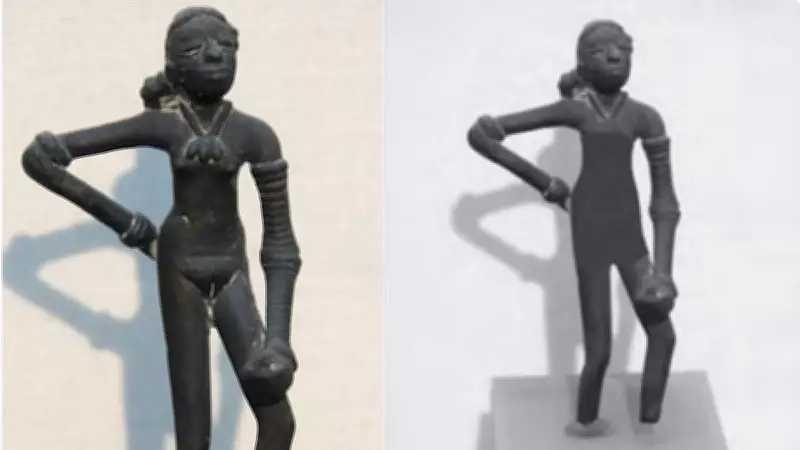
The National Council of Educational Research and Training (NCERT) has decided to restore the original image of the 'Dancing Girl' in the Class 9 history textbook following widespread backlash over its alteration. The controversy erupted after a modified version of the iconic Indus Valley Civilization artifact was included in the latest edition of the textbook, sparking criticism from historians, educators, and the public.
Official Confirmation
Confirming the development, NCERT Director Dinesh Saklani stated that the correction would be carried out immediately in the digital version of the textbook and incorporated into future print editions. 'We have listened to the concerns and are reverting to the original image to ensure historical accuracy,' Saklani said in a statement released on June 15, 2026.
Background of the Controversy
The 'Dancing Girl' is a bronze statuette from the Harappan civilization, dating back to around 2500 BCE. It is one of the most celebrated artifacts of ancient India. The altered image, which appeared in the Class 9 social science textbook, was criticized for distorting the figure's proportions and details, leading to accusations of tampering with history.

Several historians and academicians had written to NCERT demanding the restoration, arguing that the modification could mislead students about India's cultural heritage. Social media campaigns also amplified the demand, with hashtags like #SaveDancingGirl trending on platforms.
Impact on Education
The decision to restore the original image has been welcomed by educators and students alike. 'Textbooks are the foundation of a child's understanding of history. Accuracy is non-negotiable,' said Dr. Ananya Sharma, a history professor at Delhi University. The NCERT has assured that all future editions will adhere to strict guidelines to prevent such errors.
The digital version of the textbook will be updated within a week, while print editions from the next academic session will feature the corrected image. The council also plans to review other historical images in textbooks to ensure authenticity.