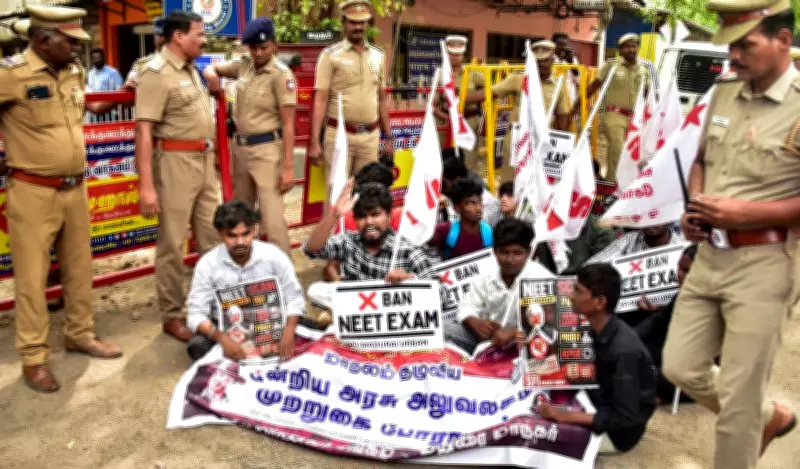
Paper leaks in Indian examinations have evolved from isolated incidents into a recurring menace that threatens the integrity of the education system. Over the years, numerous high-stakes exams—from board examinations to competitive entrance tests—have been compromised, leaving millions of students in distress and questioning the fairness of the system.
The Scale of the Problem
Recent incidents, such as the leak of question papers for the Uttar Pradesh Police Recruitment Exam and the NEET-UG medical entrance test, highlight the pervasive nature of this issue. These leaks not only disrupt the academic calendar but also erode trust in the examination process. The problem is not limited to a single state or exam; it spans across the country, affecting both central and state-level assessments.
Root Causes
Several factors contribute to the persistence of paper leaks. First, the lack of robust security protocols in the printing, transportation, and storage of question papers creates vulnerabilities. Second, the involvement of organized crime syndicates that profit from selling leaked papers has turned exam malpractice into a lucrative business. Third, inadequate legal deterrence and slow judicial processes fail to punish offenders effectively, emboldening repeat offenses.

Impact on Students
The consequences of paper leaks are devastating for students. Many spend years preparing for exams, only to have their efforts undermined by unfair practices. Leaks force cancellations and re-exams, causing delays in academic and career timelines. The psychological toll is immense, with students experiencing anxiety, frustration, and a sense of injustice. Moreover, the merit-based selection process is compromised, as those who obtain leaked papers gain an unfair advantage over honest candidates.
Government and Institutional Responses
In response to recurring leaks, governments and exam-conducting bodies have introduced measures such as digital encryption, CCTV surveillance, and stricter vendor contracts. However, these measures have proven insufficient. The need for a comprehensive reform of the examination system is urgent. This includes adopting technology-driven solutions like blockchain for secure paper distribution, implementing stringent background checks on personnel, and creating a dedicated task force to investigate and prevent leaks.
Legal and Policy Reforms
Stronger legal frameworks are essential to deter malpractices. The introduction of the Public Examinations (Prevention of Unfair Means) Bill, 2024, which proposes stringent penalties including up to 10 years in prison and fines up to Rs 1 crore, is a step in the right direction. However, swift implementation and enforcement are critical. Additionally, states must coordinate with central agencies to create a unified approach to exam security.
Way Forward
Addressing the menace of paper leaks requires a multi-pronged strategy. First, investing in secure infrastructure and technology is non-negotiable. Second, fostering a culture of honesty and integrity through awareness campaigns can reduce demand for leaked papers. Third, ensuring transparent and timely investigation of leaks, with exemplary punishment for offenders, will serve as a deterrent. Finally, involving all stakeholders—students, parents, educators, and policymakers—in the reform process can build a more resilient and trustworthy examination system.
The recurring nature of paper leaks is a symptom of deeper systemic failures. Without decisive and sustained action, this menace will continue to plague Indian education, robbing millions of their rightful opportunities. It is time to treat exam integrity as a national priority and implement reforms that restore faith in the system.