Prime Minister Narendra Modi’s recent call for adopting online schooling, similar to the model practiced during the Covid-19 pandemic, has encountered significant resistance from the private schools' body. During a public address, the Prime Minister advocated for the continuation of digital education methods, emphasizing their effectiveness in ensuring uninterrupted learning. However, the private schools' association has raised several objections, citing infrastructural gaps, digital divide, and the negative impact on students' social development.
PM Modi's Advocacy for Online Education
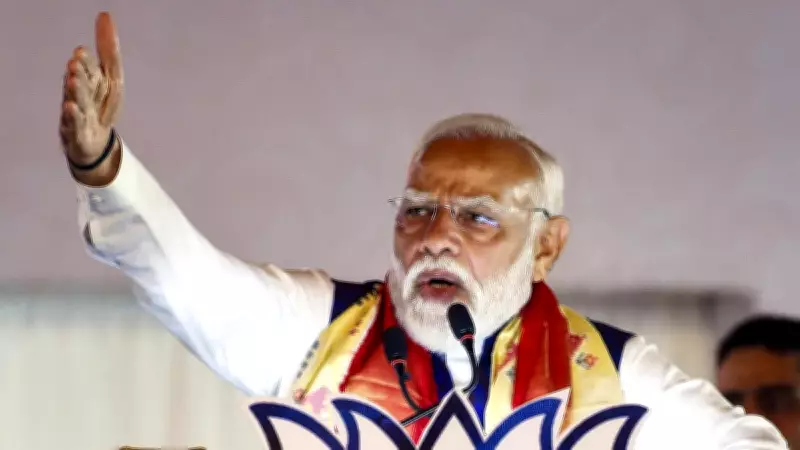
In his address, PM Modi highlighted the success of online schooling during the pandemic and urged educational institutions to integrate technology into regular teaching. He noted that digital platforms enabled millions of students to continue their studies despite lockdowns, and such methods could be leveraged to improve access and quality of education. The Prime Minister emphasized the need for a hybrid model that combines the best of both online and offline learning.
Private Schools' Body Raises Concerns
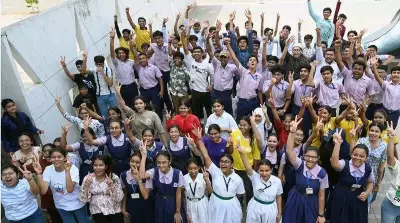
The private schools' body, representing a large number of institutions across the country, has expressed strong reservations. They argue that online schooling cannot replace the holistic development provided by physical classrooms. Key concerns include the lack of proper internet connectivity in rural areas, the high cost of devices for underprivileged families, and the difficulty in maintaining student engagement over digital platforms. Additionally, they pointed out that prolonged screen time poses health risks, including eye strain and reduced physical activity.

Challenges of Digital Divide
One of the major hurdles identified is the digital divide that persists in India. While urban schools may have the necessary infrastructure, rural institutions often struggle with unreliable internet and limited access to devices. This disparity could widen the educational gap between different socio-economic groups. The private schools' body urged the government to address these fundamental issues before promoting online education as a long-term solution.
Impact on Social and Emotional Learning
Another critical aspect raised is the impact on students' social and emotional development. Schools are not just centers for academic learning but also spaces where children develop interpersonal skills, teamwork, and emotional resilience. The absence of face-to-face interaction could hinder these essential life skills. The body stressed that online schooling should be used as a supplement, not a replacement, for traditional classroom teaching.
Government's Stance and Way Forward
The government has acknowledged the concerns and stated that it is working on a comprehensive policy to integrate technology in education. Officials have indicated that the PM’s call is not mandatory but a suggestion to explore innovative methods. The Ministry of Education is expected to hold consultations with stakeholders, including private schools, to find a balanced approach that ensures equitable access to quality education.
In conclusion, while PM Modi's vision for online schooling aims to future-proof education, the resistance from private schools underscores the need for careful planning and inclusive implementation. The debate highlights the challenges of transitioning to a digital-first model in a diverse country like India.