BHU Workshop Concludes with Focus on Drones and AI in Digital Filmmaking
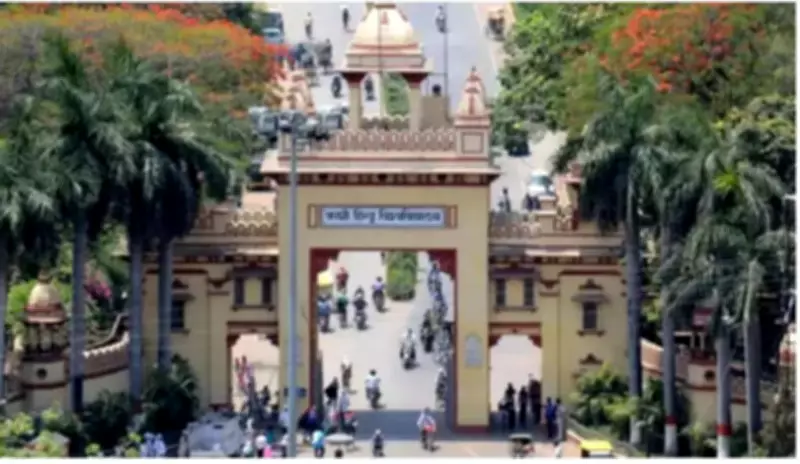
A comprehensive two-day workshop titled 'Use of Drone and AI in Digital Filmmaking', organized at the Faculty of Arts, Banaras Hindu University (BHU), successfully concluded on Tuesday. The event provided intensive technical sessions and hands-on training, highlighting the integration of modern technologies like artificial intelligence and drone cinematography into contemporary film production processes.
Expert Sessions on AI and Drone Technology
On the second day, which was entirely dedicated to practical applications, expert Mudita Raj conducted an informative session exploring various types of artificial intelligence. She discussed generative AI and agentic AI, citing examples from models like Gemini and DeepSeek to illustrate how AI output quality depends significantly on user prompts.
Raj emphasized that we are entering an era of data-driven storytelling, where future audiences might even control film scene progression. She also educated students about both the creative possibilities and potential risks associated with AI implementation in filmmaking.

In a parallel technical session, drone specialist Ankit Kumar Malyan explained fundamental DSLR camera settings including aperture, ISO, and white balance. He stressed that videos must be edited in the same frame rate they were shot to avoid visual inconsistencies. Malyan also provided detailed insights into drone technology and shared important guidelines issued by the Directorate General of Civil Aviation (DGCA).
Practical Filmmaking Training and Student Projects
Expert Naveen Gautam focused on the practical aspects of effective filmmaking, emphasizing that theoretical knowledge alone is insufficient for success. Consistent practice is the key, he stressed while dividing students into two groups and guiding them through the entire movie-making process during hands-on training sessions.
As part of the workshop's practical component, students created two short films titled 'Dustbin' and 'Batua', which were screened during the valedictory session. Participants received comprehensive training covering all stages of film production:
- Pre-production planning and preparation
- Production techniques and shooting
- Post-production editing and finishing
Valedictory Session and Career Insights
During the concluding ceremony, Prof Sajal Mukherjee, Director of APEEJAY Institute of Mass Communication in New Delhi, highlighted the vast career opportunities available in digital filmmaking. He noted that while the landscape is rapidly evolving with AI and drone technology playing increasingly significant roles, students require proper training to capitalize on these opportunities.
The filmmaking domain is transforming rapidly, Prof Mukherjee remarked, emphasizing the importance of equipping students with necessary technological skills. Certificates were distributed to successful participants following his address.
Workshop coordinator Bala Lakhendra presented a detailed report on the two-day training program, which attracted active participation from numerous students across various departments including:
- Journalism and Mass Communication
- English
- History
- Performing Arts
- Visual Arts
The workshop successfully demonstrated how emerging technologies are reshaping film education and production methodologies, preparing the next generation of filmmakers for a technologically advanced creative industry.