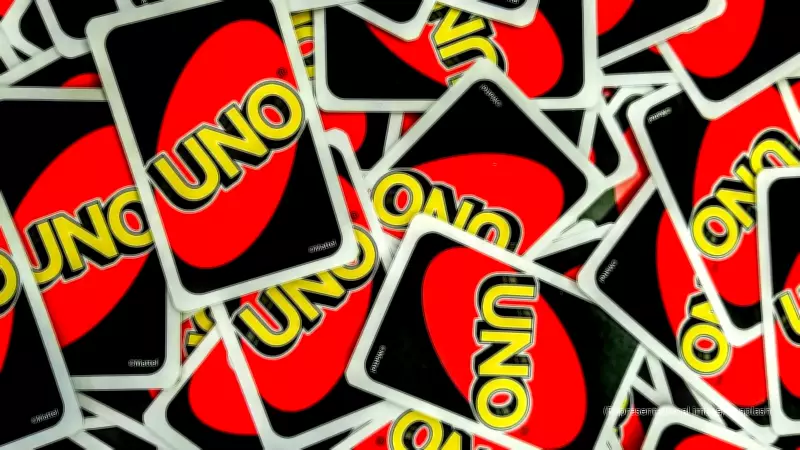
In a surprising move that has sparked widespread discussion on social media, a prominent engineering institution in India's capital has officially prohibited the popular UNO card game across its premises. Bharati Vidyapeeth College of Engineering in New Delhi has implemented a strict ban on UNO and all other card games, with authorities planning to impose substantial financial penalties on students who violate this new regulation.
Campus-Wide Prohibition and Hefty Penalties
The college administration has issued a formal notice declaring that playing cards or UNO cards is "strictly prohibited" throughout the entire campus area. This comprehensive ban extends to all common spaces including canteen premises and college grounds, leaving no room for recreational card gaming anywhere within the institution's boundaries.
According to the official communication, students discovered engaging in such activities will face serious consequences. The college plans to summon parents of offending students to campus and impose what they describe as "appropriate" fines. Social media posts from students suggest these penalties could reach as high as ₹25,000 per violation, representing a significant financial deterrent against card game participation.

Social Media Outcry and Viral Attention
The controversial decision gained rapid traction online after a student using the handle @shydev shared details on platform X. Their post revealing the UNO ban and potential ₹25,000 fine quickly accumulated nearly three lakh views and generated hundreds of reactions from users across India and beyond.
Many social media commentators expressed strong criticism of the college's approach, particularly questioning the practice of contacting parents of adult college students. "Calling the parents of an adult to complain about them is ridiculous. Indian colleges are such a joke. Still operating like primary schools," wrote one X user, capturing a sentiment echoed by numerous others in the discussion thread.
Other responses took a more humorous approach, with one commenter noting, "Someone definitely gave the college principal a +4 on a +4," cleverly referencing UNO's gameplay mechanics while criticizing the administration's decision.
The Global Phenomenon of UNO
UNO's prohibition at this Delhi institution represents a significant restriction on what has become a worldwide recreational staple. First conceived in the early 1970s by Merle Robbins, an innovative barber from Ohio, the game transformed traditional card gameplay with unique rules and mechanics that have maintained its popularity across generations and cultures.
Since Robbins began manufacturing and distributing UNO cards globally in 1971, the game has established itself as a universal pastime, equally at home in family gatherings, school environments, hostel common rooms, and social parties. Its simple rules and engaging gameplay have made it one of the most recognizable and accessible card games worldwide, which makes its prohibition at an educational institution particularly noteworthy.
Broader Implications for Campus Life
This development raises important questions about recreational policies at Indian educational institutions and their approach to student life management. The decision to ban a universally popular, harmless card game while threatening substantial fines and parental involvement has ignited debate about appropriate disciplinary measures in higher education settings.
As discussions continue both on campus and across digital platforms, this incident highlights the ongoing tension between institutional authority and student autonomy in India's educational landscape. The viral nature of the story demonstrates how campus policies can quickly become subjects of national conversation in today's interconnected digital environment.