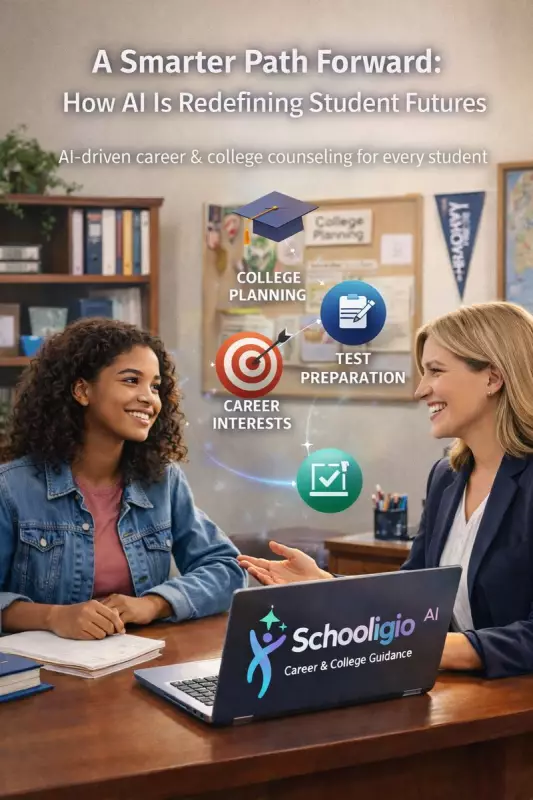
The landscape of education in India is undergoing a profound transformation, driven by the relentless integration of Artificial Intelligence. As we look towards 2026, AI is no longer a futuristic concept but a present-day tool actively redefining how students learn, plan their careers, and prepare for a dynamic job market. This shift promises a more personalized, efficient, and insightful educational journey for millions.
The Rise of Personalized Learning Pathways
One of the most significant impacts of AI in education is the move away from a one-size-fits-all approach. Advanced AI algorithms are now capable of creating highly individualized learning experiences. These systems analyze a student's unique strengths, weaknesses, pace, and preferred learning style. Based on this data, the AI curates custom lesson plans, recommends specific resources, and provides practice exercises tailored to address knowledge gaps.
This personalized learning model ensures that students are neither held back nor left behind. It allows for mastery-based progression, where a learner moves forward only after fully grasping a concept. Educational platforms and institutions adopting this technology report higher engagement levels and improved academic outcomes, as instruction is adapted to the individual rather than the other way around.

AI-Powered Career Guidance and Future Readiness
Beyond academics, AI is playing a crucial role in shaping student futures through sophisticated career guidance. The days of generic advice are giving way to data-driven insights. AI tools can now process vast amounts of information on emerging job trends, required skill sets, industry demands, and even global economic shifts.
By analyzing a student's academic performance, extracurricular activities, and even soft skills inferred from interactions, these platforms can suggest potential career paths with a high probability of success and growth. They can recommend specific courses, certifications, and higher education institutions that align with the student's profile and aspirations. This empowers students to make informed decisions about their academic streams and professional goals, effectively future-proofing their careers.
Transforming the Role of Educators
The infusion of AI does not replace teachers; instead, it augments their capabilities. Educators are being freed from administrative burdens like grading routine assignments and tracking basic progress. AI handles these tasks, providing teachers with detailed analytics and dashboards that highlight which students need extra attention and on which topics.
This allows teachers to focus on what they do best: mentoring, inspiring, and facilitating complex discussions. The teacher's role evolves into that of a guide and coach, using AI-generated insights to provide targeted support. This synergy between human empathy and machine intelligence creates a more effective and supportive learning environment.
Challenges and the Road Ahead to 2026
Despite the promise, the widespread adoption of AI in Indian education faces hurdles. Accessibility and the digital divide remain primary concerns, as not all students have equal access to the necessary devices and high-speed internet. There are also valid concerns about data privacy, algorithmic bias, and the need for digital literacy among both students and educators.
As we advance towards 2026, addressing these challenges will be paramount. The focus must be on developing inclusive, affordable, and ethically designed AI solutions. The goal is to ensure that the benefits of AI in redefining student futures reach every corner of the country, creating a more equitable and skilled generation ready to thrive in the 21st-century economy.
The journey has already begun, and the path forward is indeed smarter. With continued innovation and responsible implementation, AI is set to democratize quality education and personalized career planning, making the ambitious vision for 2026 a tangible reality for India's youth.