

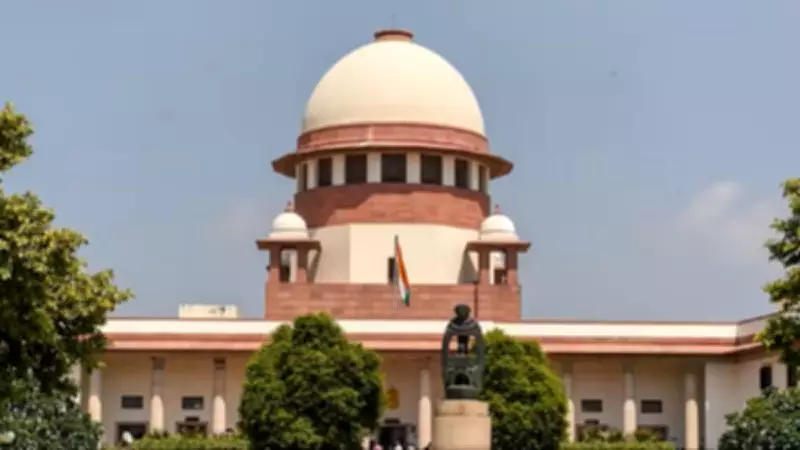
Supreme Court Declines PIL Seeking Nationwide Menstrual Leave Policy
The Supreme Court of India has declined to entertain a Public Interest Litigation (PIL) that sought the establishment of a nationwide menstrual leave policy. The bench, comprising Justices Hima Kohli and Ahsanuddin Amanullah, dismissed the plea, emphasizing that such matters fall within the domain of the legislature rather than the judiciary.
Court's Reasoning and Observations
In its ruling, the Supreme Court articulated that the formulation of a menstrual leave policy requires a comprehensive and consultative approach. The bench underscored that this is a policy matter best addressed through legislative processes, where diverse stakeholders, including employers, employees, and health experts, can contribute to the discourse.
The court further highlighted the complex socio-economic implications of implementing such a policy on a national scale. It noted that while the intent behind the PIL is commendable, aiming to address health and workplace equity issues, the judiciary must respect the separation of powers. The bench stated, "This is a matter for the legislature to consider after due deliberation and consultation with all concerned parties."

Current Landscape and Legislative Context
Currently, India does not have a uniform national policy on menstrual leave. However, some states and private companies have introduced their own provisions. For instance, the state of Bihar offers two days of paid menstrual leave per month for female government employees, while companies like Zomato and Byju's have implemented similar policies for their workforce.
The PIL had argued that a standardized policy is necessary to ensure gender equality and health rights across the country, particularly in reducing workplace discrimination and supporting women's health needs. Proponents of menstrual leave often cite benefits such as improved productivity, reduced absenteeism, and enhanced employee well-being.
Implications and Future Directions
The Supreme Court's decision reinforces the principle that significant social policies should emerge from democratic legislative processes rather than judicial mandate. This approach allows for:
- Broader stakeholder engagement, including input from trade unions, women's rights groups, and medical professionals.
- Consideration of economic impacts on businesses, especially small and medium enterprises.
- Tailoring policies to address regional and sector-specific variations in workforce demographics and needs.
While the court has declined to intervene, the ruling may spur increased parliamentary discussion on the issue. Lawmakers could potentially introduce bills or refer the matter to parliamentary committees for in-depth study. The decision also leaves room for continued advocacy and awareness campaigns by civil society organizations to push for legislative action.
In summary, the Supreme Court has upheld the constitutional framework by deferring the matter to the legislature, ensuring that any future policy on menstrual leave is crafted through a participatory and deliberative democratic process.






