India's Higher Education Expansion Marred by Faculty Shortages and Joblessness
A comprehensive report from Azim Premji University highlights India's significant progress in expanding higher education access for youth aged 15 to 29, while simultaneously flagging critical challenges such as severe faculty shortages and persistently high graduate unemployment rates. The 'State of Working India 2026' report, based on four decades of official data, documents a notable shift of young people from agriculture to industry and services, alongside reductions in gender and caste disparities in educational attainment.
Sharp Rise in Youth Education Levels Over Four Decades
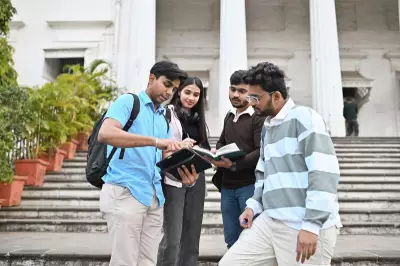
Youth education levels have experienced a dramatic increase over the past forty years, with particularly impressive gains among women. However, the share of young men engaged in education has declined from 38% in 2017 to 34% by late 2024, with many citing household income needs as the primary reason for withdrawing from studies. This trend underscores the economic pressures facing families, even as overall educational access improves.
Indu Prasad, president of Azim Premji University, remarked, "More young people today are educated, informed, and ambitious than ever before. These are real achievements of which we can be proud." The report meticulously examines youth transitions into education, employment, and the workforce, assessing how effectively India is utilizing its demographic dividend and identifying related policy challenges.

Critical Faculty Shortages Threaten Learning Outcomes
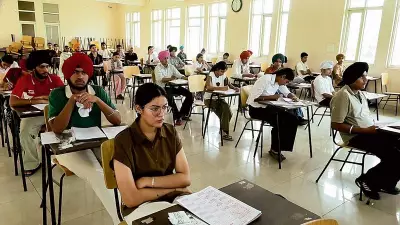
One of the most pressing issues identified is the failure of faculty numbers to keep pace with the rapid growth in student enrollment. The report warns that against AICTE norms of 15 to 20 students per teacher, private colleges average 28 students per teacher, while public colleges have a staggering average of 47 students per teacher.
"Hiring and filling vacancies remain crucial to safeguard learning outcomes amid resource constraints," the report emphasizes. This disparity raises serious concerns about the quality of education and the ability to maintain academic standards in the face of expanding access.
Alarming Graduate Unemployment Rates Persist
Despite increased educational attainment, graduate unemployment remains alarmingly high among the 15 to 29-year-old demographic. The report reveals that nearly 40% of graduates aged 15 to 25 are unemployed, while the rate stands at 20% for those aged 25 to 29. This persistent joblessness highlights a mismatch between educational outputs and labor market demands, posing a significant challenge to India's economic and social stability.
Lead author Rosa Abraham, Associate Professor of Economics, explained, "The report traces a young worker's journey—from education to job search and employment—over the last 40 years. We hope it will inform coordinated policymaking to address transition challenges." The findings call for urgent policy interventions to bridge the gap between education and employment, ensuring that India's youth can fully contribute to the nation's growth.
As India's working-age population share is projected to begin declining after 2030, addressing these educational and employment challenges becomes increasingly critical to sustaining economic momentum and harnessing the full potential of the country's demographic dividend.