Jamia Millia Islamia Hosts National Symposium on Women's Literary Contributions
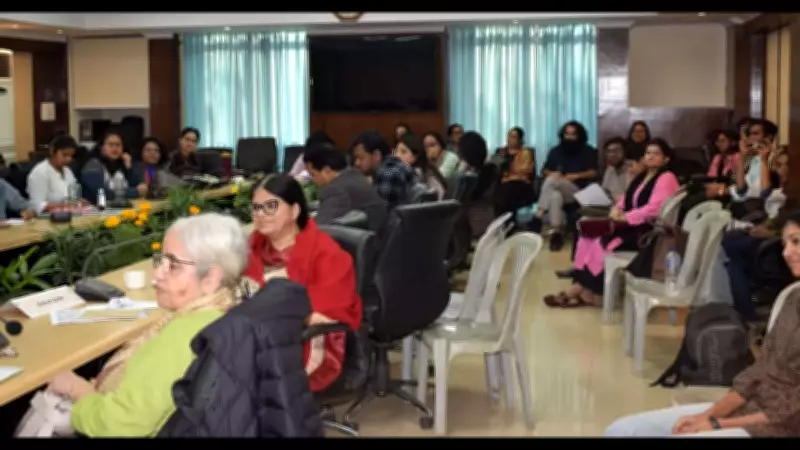
The Sarojini Naidu Centre for Women's Studies at Jamia Millia Islamia successfully organized a comprehensive national symposium in collaboration with The Book Review Literary Trust. The event, titled "Writing, Reviewing, Translating: Women, Words, and Worlds", took place on February 17 at Mir Anis Hall within the university campus.
Opening Address and Symposium Objectives
Chandra Chari, Founder Editor of The Book Review Literary Trust, delivered the opening address to the assembled participants. She provided detailed insights into the origins and fundamental objectives of The Book Review journal, emphasizing its sustained commitment to fostering critical literary culture throughout India. Chari underscored the vital importance of book reviewing as an essential intellectual practice and highlighted the crucial role women play in shaping contemporary literary discourse across the nation.
Critical Exploration of Gendered Literary Landscapes
The symposium's first session, moderated by Dr. Aakriti Mandhwani, was titled "Reviewing, Writing, Publishing Women – A Critical Exploration of Gendered Literary Landscapes." The distinguished panel featured Dr. Semeen Ali, Rachna Kalra, Dr. Malvika Maheshwari, Dr. Sucharita Sengupta, and Dr. Kanupriya Dhingra.

These speakers engaged in profound reflections on numerous critical questions surrounding identity and authorship within literary circles. They examined editorial gatekeeping practices, the complex politics of literary knowledge production, and the sustainability challenges facing women's writing in South Asia. The discussions consistently highlighted the urgent need to move beyond reductive categorizations of "women's writing" as a monolithic category.
Key recommendations emerged from this session, including the importance of establishing mentorship programs for emerging women writers, creating alternative publishing platforms, and reconceptualizing book reviewing as both scholarly practice and form of intellectual resistance against marginalization.
Literary Engagements with Urban Spaces
A subsequent session titled "Writing the City" was expertly moderated by Dr. Faiz Ullah. This segment explored literary engagements with urban spaces, with particular focus on Delhi as both setting and character. Speakers Ananya Vajpeyi, Ekta Chauhan, and Aishwarya Jha offered nuanced reflections on the city as a multifaceted site of memory, transformation, and emotional affect.
The discussion examined diverse urban phenomena including the preservation of urban villages within metropolitan landscapes, the psychological impact of shifting cityscapes, the role of nostalgia in urban literature, and the intricate interplay between lived experience and literary imagination when representing complex urban environments.
Writing and Translating Women's Voices
The symposium continued with a session titled "Writing/Translating Women", moderated by Dr. Amina Hussain, Assistant Professor at the Sarojini Naidu Centre for Women's Studies. This panel brought together renowned Hindi author Mridula Garg, noted translator Professor Arjumand Ara, Dr. Deeba Zafir, and Dr. Firdous Azmat Siddiqui.
These distinguished speakers addressed the persistent epistemic marginalization of women's writing within literary canons and academic institutions. They explored the complex ethical and linguistic challenges inherent in translation work, particularly when dealing with women's texts. The discussion also examined intersectional concerns of caste and class within women's literature, alongside nuanced representations of Muslim women in both historical and contemporary literary works.
The session emphasized several crucial principles: that authentic writing must provoke critical reflection among readers, that translation demands ethical responsibility toward both source material and target audience, and that marginal voices must be represented with appropriate nuance and sensitivity rather than through simplistic stereotypes.

Symposium Outcomes and Institutional Commitment
The national symposium successfully reaffirmed Jamia Millia Islamia's institutional commitment to fostering inclusive and critical academic spaces that foreground women's voices across literature, scholarship, and translation practices. The event demonstrated the university's dedication to promoting interdisciplinary dialogue that bridges academic disciplines and connects diverse communities through shared literary engagement.
By bringing together scholars, writers, translators, and literary critics, the symposium created a vibrant platform for exchanging ideas about how to better recognize, preserve, and amplify women's contributions to India's rich literary heritage and contemporary cultural landscape.