NC MP Highlights Admission Denial for J&K Students in Rajya Sabha
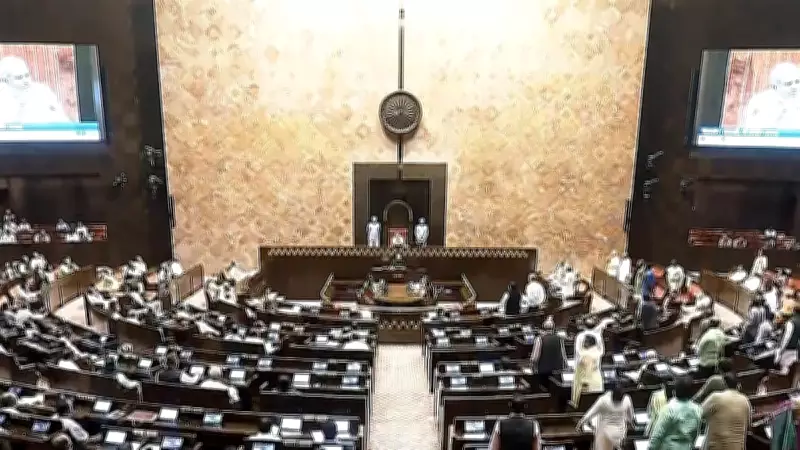
During the Zero Hour session in the Rajya Sabha, a Member of Parliament from Jammu and Kashmir representing the National Congress raised a critical issue concerning higher education access. The MP detailed that several students hailing from Jammu, who were seeking admission to nursing courses at Mewar University located in Rajasthan, have been unjustly denied entry. This denial occurred despite clear and prior assurances provided by the university authorities, creating a significant barrier to educational opportunities for these aspiring healthcare professionals.
Background of the Admission Issue
The situation involves students from the Jammu region who had applied for nursing programs at Mewar University, a well-known institution in Rajasthan. According to the MP's statement, the university had initially given assurances regarding the admission process, leading the students to believe they would secure seats. However, upon arrival or during the admission formalities, they were refused entry without adequate explanation or recourse. This incident has sparked concerns about transparency and fairness in university admissions, particularly for students from remote or conflict-affected areas like Jammu and Kashmir.
Implications for Educational Equity
The denial of admission raises broader questions about educational equity and access for students from Jammu and Kashmir. It highlights potential systemic issues in how universities handle admissions from different regions, especially in light of assurances made. The MP emphasized that such actions not only disrupt the academic aspirations of these students but also undermine trust in educational institutions. This case could set a precedent for how similar issues are addressed in the future, with calls for stricter adherence to commitments and better support mechanisms for affected students.

In response, there may be demands for investigations into the university's admission policies and potential interventions by educational authorities to ensure such incidents do not recur. The MP's raising of this issue in Parliament underscores its national significance, as it touches on themes of regional development, student rights, and institutional accountability in India's higher education landscape.