Karnataka Government to Phase Out Underperforming University Courses
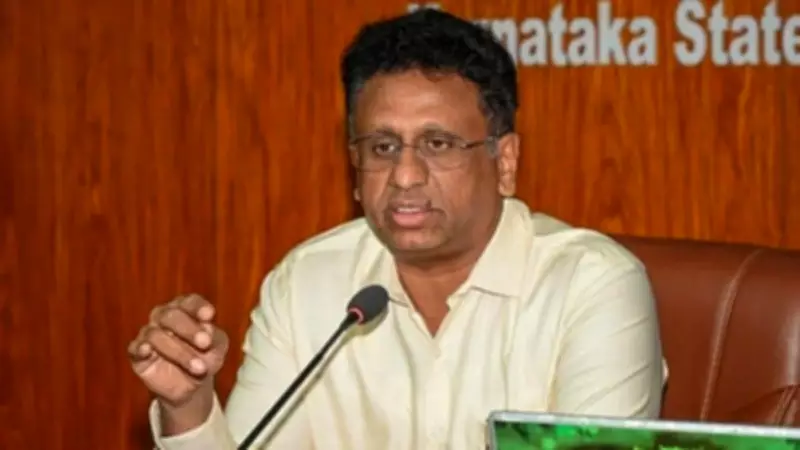
In a significant move aimed at streamlining higher education resources, Karnataka Higher Education Minister Dr. M. C. Sudhakar has announced that undergraduate (UG) and postgraduate (PG) courses with consistently poor student admissions over the last three years will be discontinued. This decision was disclosed during a session of the Karnataka Legislative Council, highlighting the state's commitment to optimizing academic offerings based on demand and viability.
Legislative Council Announcement and Context
The announcement came in response to an un-starred question posed by K. Vivekananda, a member of the Janata Dal (Secular) or JD(S), during the council proceedings. Dr. Sudhakar emphasized that the discontinuation policy targets courses that have failed to attract sufficient student interest for three consecutive academic years, ensuring that educational institutions focus on programs with higher enrollment and relevance in the current job market.
This strategic shift is part of broader efforts to enhance the quality and efficiency of higher education in Karnataka, aligning course offerings with student preferences and industry needs. By phasing out underperforming courses, the government aims to reallocate resources to more popular and impactful programs, potentially improving overall educational outcomes and institutional performance.

Implications for Universities and Students
The discontinuation of UG and PG courses with low admissions is expected to affect various universities and colleges across Karnataka. Institutions will need to conduct thorough reviews of their course portfolios, assessing enrollment data from the past three years to identify programs at risk. This process may lead to curriculum restructuring, faculty reassignments, and enhanced support for remaining courses to better serve student interests.
For students, this policy could mean a more focused and relevant educational landscape, with increased opportunities in high-demand fields. However, it may also require adjustments for those currently enrolled in or planning to apply to potentially discontinued courses. The government has indicated that proper transition plans will be implemented to minimize disruption, ensuring that existing students can complete their studies or transfer to alternative programs.
Broader Educational Reforms in Karnataka
This initiative reflects ongoing reforms in Karnataka's higher education sector, which has been grappling with issues like resource allocation, course relevance, and employability. By discontinuing courses with poor admissions, the state aims to:
- Improve the overall quality of education by concentrating on viable programs.
- Reduce financial strain on institutions caused by under-enrolled courses.
- Encourage universities to innovate and introduce new courses aligned with emerging trends.
- Enhance student satisfaction and career prospects through more targeted offerings.
The announcement has sparked discussions among educators, policymakers, and students about the future of higher education in Karnataka. While some applaud the move for its efficiency, others call for careful implementation to preserve academic diversity and support affected stakeholders.
As this policy unfolds, it will be crucial to monitor its impact on enrollment patterns, institutional dynamics, and the broader educational ecosystem in the state.