Malaysia Emerges as Premier Education and Tourism Destination for India
Malaysia is rapidly establishing itself as a leading global education hub, attracting international university campuses from prestigious institutions in the United States and the United Kingdom. According to Datuk Manoharan Periasamy, chairman of the Malaysia Tourism Promotion Board, these campuses offer globally recognized degrees at nearly one-third the cost compared to studying in Western countries. This significant cost advantage positions Malaysia as an attractive alternative for students seeking high-quality education without the financial burden.
Tourism Targets and Growth from India
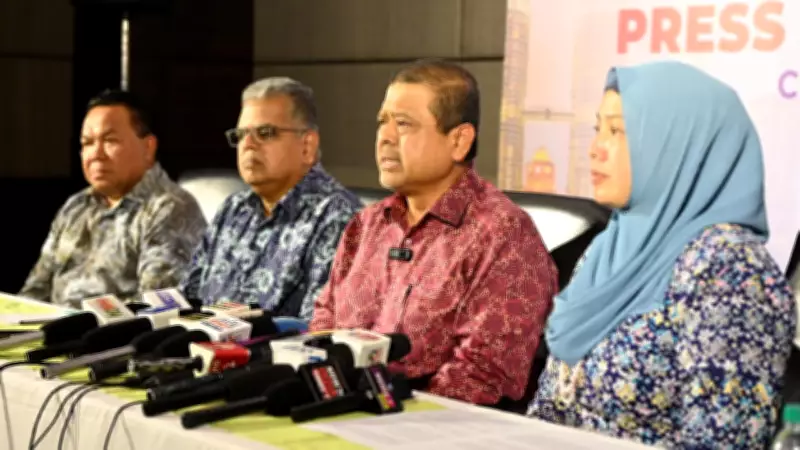
Speaking at the Sales Mission 2026 event in Coimbatore, organized by the Malaysia Tourism Promotion Board in partnership with the Malaysian Association of Tour and Travel Agents, Periasamy outlined ambitious tourism goals. Malaysia is targeting 2.1 million arrivals from India in 2026, building on strong growth trends. In 2025, India recorded 1,565,194 tourist arrivals to Malaysia, a notable increase from 1,365,387 in 2024, marking a robust 14.6% growth. India remains one of Malaysia's key source markets, driven by increasing travel demand and enhanced connectivity.
Enhanced Air Connectivity and Regional Focus
Periasamy emphasized that robust air connectivity is a critical factor supporting this travel surge. Currently, there are 238 weekly direct flights offering 47,399 seats from 14 Indian cities to Malaysia. South India, in particular, accounts for 151 weekly flights and 29,541 seats, highlighting the region's importance. Looking ahead, Coimbatore might gain direct air connectivity to Malaysia starting from the second quarter of 2026. Additionally, major cities like Mumbai and Delhi are also under consideration for direct flights, which could further boost travel and educational exchanges.

Diversifying Tourism: MICE and Wedding Segments
Beyond leisure travel, Periasamy highlighted the growing demand for MICE (meetings, incentives, conferences, and exhibitions) tourism and wedding tourism in Malaysia. He noted that 15–20 Indian weddings have been held in Malaysia recently, showcasing the country's appeal as a destination for large-scale events. This diversification into niche tourism segments aligns with Malaysia's strategy to attract a broader range of visitors and strengthen economic ties with India.
Industry Support and Collaborative Efforts
The event in Coimbatore brought together 49 sellers from Malaysia and key travel trade partners from the Kongu region, fostering collaboration and business opportunities. Hishamuddin Mustafa, director of Tourism Malaysia in Chennai, pledged full support to industries in Coimbatore and other regions seeking assistance in freight movement to Malaysia. Nuwul Fadhilahbinti Ku Azmi, senior director of international promotions for the Asia/Africa division, was also present, underscoring the importance of this partnership. These efforts aim to streamline logistics and enhance trade, complementing the tourism and education initiatives.
In summary, Malaysia is strategically leveraging its affordable education offerings and improved connectivity to attract Indian students and tourists, with a clear focus on sustainable growth and bilateral cooperation.