Rajendra Nagar's Dramatic Transformation Over the Decades
Over the decades, Rajendra Nagar has undergone a remarkable and dramatic transformation, evolving from a serene residential colony into one of Delhi's most prominent educational hubs. Originally established as a settlement for Punjabi families who arrived after the Partition, the area was once celebrated for its close-knit community life and tranquil, green surroundings. Today, it stands as a vibrant center for UPSC aspirants, earning the nickname 'mini India' due to its diverse population.
Recalling the Past: A Peaceful Residential Enclave
In the 1950s and 1960s, Rajendra Nagar was characterized by its simplicity and peacefulness. Bhishan Lal, a 70-year-old retired government employee, fondly remembers, "The area was peaceful, with plenty of greenery. Houses were modest and mostly single-storey. People kept goats and hens, which would roam freely. There was a ridge area at the back, from where vultures would come and attack the livestock. Gradually, all this disappeared." This idyllic setting provided a stark contrast to the bustling urban landscape that would later emerge.
The Rise of Coaching Centers and Demographic Shifts
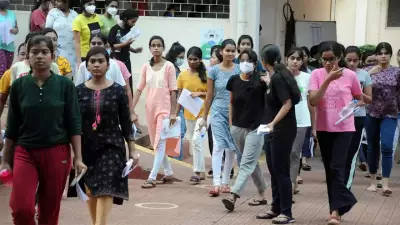
Over time, the skyline and social fabric of Rajendra Nagar began to change significantly. As coaching centers mushroomed to cater to competitive exam aspirants, paying guest accommodations and hostels sprang up to house students from across India. Mukesh Verma, a 65-year-old businessman and long-time resident, notes the "stark" demographic shift, stating, "After Partition, most residents were Punjabi families. Now, with the coaching centres, youngsters from all corners of the country live here. You hear different languages and see different food cultures. Over the past decade, the identity of this place has become closely linked with UPSC coaching."

Safety Concerns and Infrastructure Scrutiny
The area's transformation has not been without challenges. Last year's tragic incident, where three students drowned in the basement of a coaching center, prompted greater scrutiny of infrastructure and safety norms. Verma acknowledges this but insists the area remains "largely safe." He explains, "Thousands of students move around till late night. Minor incidents like thefts may happen, but there is no major crime pattern." This incident has highlighted the need for improved safety measures in the rapidly growing educational hub.
Changing Lifestyle and Cultural Diversity
The transformation is vividly reflected in the daily lifestyle of Rajendra Nagar. Streets that were once deserted after dusk now remain active past midnight, with tea stalls operating late and restaurants catering specifically to students. Libraries are packed for long hours, and the food culture has become incredibly diverse, featuring everything from South Indian tiffin services to Northeastern cuisines. This culinary variety mirrors the varied backgrounds of the aspirants who now call the area home.
Infrastructure and Connectivity Advantages
Rajesh Bhatia, a 61-year-old resident, points out the area's broader appeal, "The area is also known for private hospitals, schools, and markets. Being in central Delhi makes every place, from Dwarka to Noida, a convenient commute. Connectivity is excellent, and that makes it attractive not just for students, but also for businesses." This central location and excellent infrastructure have contributed to its popularity beyond the educational sector.
Gradual but Profound Change
Maqsood Alam, a 50-year-old tailor who has worked in the area for decades, observes that the change has been gradual but profound. "Earlier, families dominated the neighbourhood. Now, most of my customers are students," he says. This shift underscores the area's transition from a family-oriented community to a student-centric environment.

Historical Context and Modern Identity
Like many colonies developed in the 1950s, Rajendra Nagar, named after India's first President Rajendra Prasad, emerged as a Punjabi refugee settlement, similar to Lajpat Nagar and Patel Nagar. Shankar Road divides the area into Old and New Rajendra Nagar, with Old Rajendra Nagar touching Karol Bagh. Today, its streets are lined with sprawling bookstores, libraries, and eateries that thrive alongside the coaching industry. What was once a post-Partition residential enclave has become a melting pot of ambition, reflecting a broader cultural shift from a community rooted in refugee resilience to a dynamic academic microcosm that symbolizes aspiration and diversity.