UGC Equity Guidelines Protests: Examining the Disconnect Between Savarna Anxiety and Dalit Student Realities
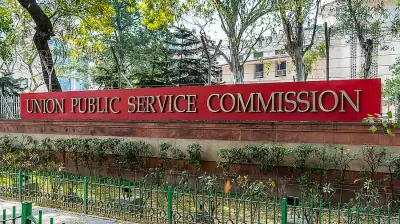
The recent Supreme Court decision to stay the new University Grants Commission guidelines aimed at curbing caste-based discrimination in higher education institutions has sparked intense debate across India. The bench comprising Chief Justice Surya Kant and Justice Joymalya Bagchi expressed concern about potential "dangerous impact" and societal division, responding primarily to vocal protests from Savarna caste groups who felt vulnerable under the new regulations.
The Hypothetical Foundation of Savarna Protests
What makes this judicial intervention particularly noteworthy is its foundation in hypothetical anxieties rather than documented sociological realities. The protests against the UGC guidelines have been characterized by virulent overreaction and aggressive posturing, with Savarna groups framing themselves as under siege despite their dominant institutional positions.
This response finds sympathetic resonance among older, institutionally placed Savarnas across media, society, and even the judiciary. The Savarna attitude frequently manifests as impatient paternalism toward marginalized caste students, reflecting a deeper cultural calculus within India's caste society.

The Documented Reality of Campus Caste Discrimination
While Savarna groups express anxiety about hypothetical scenarios, the actual day-to-day experiences of Scheduled Caste, Scheduled Tribe, and Other Backward Class students present a starkly different picture. Many from these communities viewed the UGC regulations as bare minimum protections requiring strengthening to effect meaningful change.
The urgency with which the Supreme Court, mainstream media, and civil society responded to Savarna anxieties stands in sharp contrast to their response to decades of documented caste-based discrimination on campuses. This discrimination has manifested in macabre detail through countless student suicides, depression cases, and academic dropouts.
Historical Context and Contemporary Manifestations
Perhaps no issue polarizes caste discourse more intensely than reservations in higher education admissions. The well-documented bitterness of Savarnas against SC, ST, and OBC quotas creates lingering resentment that follows students from marginalized communities onto campuses.
This resentment manifests in multiple forms:
- Angry rants and sarcastic jokes targeting marginalized students
- Psychological intimidation and social media harassment
- Physical threats and institutional neglect
The tragic cases of Dr. Payal Tadvi in 2021 and Rohith Vemula in 2016 represent only the most visible examples of this systemic discrimination. Both students died by suicide following sustained casteist harassment, with their mothers jointly filing the current petition seeking stronger campus protections.
Structural Patterns and Institutional Complicity
To suggest that these tragedies represent structural patterns rather than isolated incidents is not mere accusation but logical inference. The predominantly Savarna administration of educational institutions often foregrounds Savarna codes of academic labor and knowledge production, creating environments hostile to marginalized students.
The Savarna response to discrimination allegations typically follows predictable patterns:
- Dismissing complaints as exaggerations
- Attributing struggles to inherent lack of merit
- Positioning marginalized students as constant complainers rather than victims of systemic bias
This framing infantilizes students from communities with no tradition of formalized education while ignoring their vital role as human resource capital essential for national development.
The Psychology of Savarna Exceptionalism
The core of Savarna anxiety appears rooted in a fundamental mindset that institutions belong to Savarnas, who have merely "allowed" others to participate. This explains the irritation when marginalized students assert themselves rather than remaining "thankful" and subservient.

The new UGC guidelines' inclusion of OBC communities alongside SC and ST groups as facing caste discrimination leaves only "general" Savarna castes outside this protective ambit. While sociologically sound, this classification instills among Savarnas a feeling of vulnerability to potential regulation misuse.
Selective Application of Judicial Principles
The anatomy of Savarna protests reveals a curious contradiction: the same individuals who understand judicial principles favoring the aggrieved in gender discrimination or disability exclusion cases reject these principles when applied to caste matters.
The intensity of protests, cross-ideological unity among Savarna spokespersons, sympathetic mainstream media coverage, and judicial reaction collectively suggest that Savarna anxiety centers itself in ways that belie constitutional morality and invert democratic ethos.
Toward a More Equitable Future
Building a just, inclusive, and equitable society requires critically examining Savarna exceptionalism and its institutional mollycoddling. The documented pattern of campus discrimination, evidenced through hundreds of suicides and countless traumatized students over the past decade, demands more than hypothetical anxieties as basis for policy decisions.
As India strives for educational equity, the disconnect between Savarna protests based on what-if scenarios and the lived realities of Dalit students presents a crucial challenge for policymakers, educators, and society at large.