Major Decline in UP's Traditional College Admissions
Prayagraj: Uttar Pradesh has experienced a substantial decrease in student enrolment for conventional higher education programs, with approximately 4 lakh fewer admissions recorded in the current academic year. This notable drop comes despite ongoing efforts to expand educational access across the state.
Gender Dynamics in Higher Education
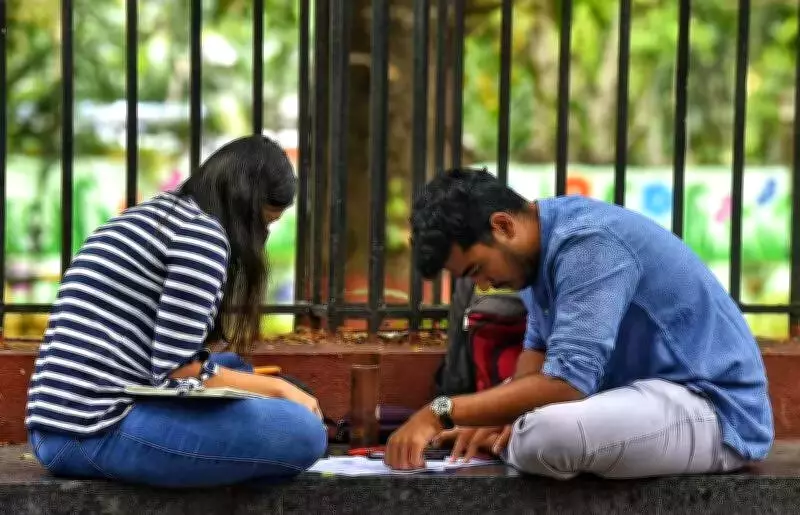
Interestingly, while overall numbers have fallen, female students continue to outnumber their male counterparts in colleges throughout Uttar Pradesh. According to a detailed report presented in the state assembly by the Directorate of Higher Education, Uttar Pradesh, the current academic session saw a total of 48,95,468 students enrolling in traditional undergraduate courses such as BA, BSc, and BCom.
These students are distributed across 8,072 government, aided, and self-financed colleges in the state. The data reveals a clear gender advantage for girls, with 24,98,560 female enrolments compared to 23,96,908 male students.

Comparative Analysis with Previous Years
The decline becomes stark when compared to the 2024–25 academic session, which registered 53,28,969 students in similar courses. That year, female students numbered 28,75,211, while male students were 24,53,758. This highlights a reduction of roughly 4 lakh students in the current year.
An examination of recent enrolment trends shows considerable fluctuations:
- 2023–24 session: 54,76,441 registered students
- 2022–23 session: 44,18,809 enrolled students, with boys outnumbering girls (22,35,114 male vs. 21,83,695 female)
- 2021–22 session: 45,40,605 students
- 2020–21 session: 50,21,277 students
- 2019–20 session: 41,83,992 students
- 2018–19 session: 43,82,527 students
Policy Context and Expert Insights
This enrolment downturn occurs as the Uttar Pradesh government actively pursues ambitious policy goals to enhance higher education accessibility. The state aims to achieve a Gross Enrolment Ratio (GER) of 40% by 2030, aligning with national strategies for educational expansion.
Education specialists suggest that the decreasing interest in traditional degree programs may be attributed to a growing preference for professional, technical, and skill-based courses. These alternatives are often perceived as offering better employment prospects and practical training.
Despite this shift, the consistent rise in female student participation remains a positive and encouraging trend for Uttar Pradesh's education sector. It reflects broader social changes and increasing opportunities for women in higher education.
The state's educational landscape is evidently evolving, with traditional pathways facing competition from more vocationally oriented programs. Monitoring these trends will be crucial for policymakers aiming to balance enrolment targets with the diverse aspirations of students.