UPSC Key Analysis: Critical Topics for Civil Services Exam 2026
For UPSC aspirants, staying updated with current affairs is paramount. The Indian Express UPSC Key for February 4, 2026, highlights several pivotal issues that are highly relevant for both the Preliminary and Main examinations. This article delves into the significance of trade agreements, data sharing policies, and environmental regulations, providing a comprehensive overview for effective exam preparation.
India-US Trade Deal: A $100 Billion Commitment
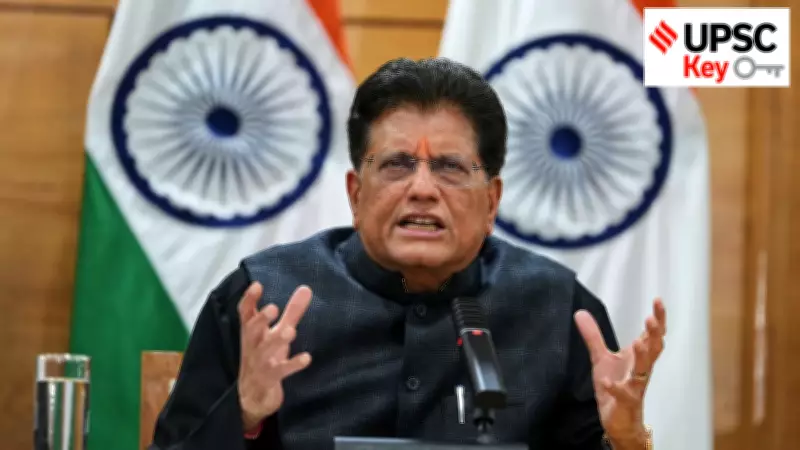
The recent India-US trade agreement marks a historic milestone in bilateral relations. India has committed to purchasing $100 billion worth of US products annually over five years, encompassing sectors like agriculture, energy, technology, and aircraft parts. This deal, announced by Commerce and Industry Minister Piyush Goyal, aims to bolster economic ties and integrate India into global value chains.
Key aspects include:

- Tariff Reductions: The US lowered tariffs on Indian goods to 18% from 50%, facilitating increased exports.
- Agricultural Protections: India has safeguarded sensitive sectors by maintaining restrictions on genetically modified products and certain crops.
- Economic Impact: The agreement is expected to boost labor-intensive industries such as textiles, seafood, and engineering goods, while enhancing access to advanced technologies like AI and semiconductors.
For UPSC, this topic aligns with Preliminary Examination areas like current events and Mains Examination themes including bilateral agreements, economic growth, and employment strategies.
Supreme Court's Stance on Data Privacy
The Supreme Court has taken a firm position against WhatsApp and Meta regarding their data sharing policies. The court emphasized that exploiting user data for commercial purposes violates constitutional rights to privacy. This development underscores the importance of data protection laws in India.
Relevant points for UPSC:
- Legal Framework: The case involves penalties imposed by the Competition Commission of India and challenges under the right to privacy established in the Puttaswamy judgment.
- Policy Implications: Discussions on digital monopolies, consumer rights, and the need for robust data governance mechanisms are crucial for Mains papers on governance and public policy.
New Solid Waste Management Rules 2026
The Union Ministry of Environment, Forest and Climate Change has notified the Solid Waste Management Rules 2026, replacing the 2016 regulations. These rules emphasize source segregation, waste reduction, and a circular economy approach to tackle India's mounting waste crisis.
Highlights include:
- Four-Way Segregation: Introducing categories for wet, dry, sanitary, and special-care waste to improve processing efficiency.
- Bulk Generator Responsibilities: Entities like large residential societies and commercial establishments must manage waste at source, with penalties for non-compliance under the polluter pays principle.
- Environmental Goals: Aiming to minimize landfill use and promote recycling, aligning with sustainable development objectives.
This topic is vital for Prelims questions on environmental issues and Mains essays on conservation, pollution control, and government interventions.
Cancer Prevention and Health Policies
A study by the WHO and IARC reveals that 37% of cancer cases in India are preventable, linked to factors like tobacco use, infections, and lifestyle choices. With rising cancer incidence, this analysis highlights the need for preventive healthcare measures.
UPSC relevance:

- Public Health Strategies: Topics include government programs for cancer care, tobacco control policies, and the role of early detection.
- Social Sector Management: Important for Mains papers on health, education, and human resource development.
Legal Challenges in Frozen Embryo Donation
The Delhi High Court is examining a PIL challenging provisions of the Assisted Reproductive Technology Act, 2021, which prohibits the donation of frozen embryos. This case raises ethical and legal questions about reproductive rights and medical regulations.
For UPSC, this connects to:
- Constitutional Aspects: Issues under Articles 14 and 21, focusing on equality and personal liberty in reproductive choices.
- Healthcare Policies: Discussions on infertility treatments, regulatory frameworks, and social stigma, relevant for Mains on social services and governance.
Additional Current Affairs Updates
Other notable developments include:
- Manipur Politics: Yumnam Khemchand Singh's election as Chief Minister, highlighting issues of federalism and internal security.
- Economic Outlook: Analysis of the rupee's performance and foreign investment trends post-trade deal.
- Left-Wing Extremism: Government reports on reduced affected districts, emphasizing security and development linkages.
These topics collectively provide a rich resource for UPSC candidates, covering diverse sectors from economy and health to law and environment. Regular review of such current affairs enhances analytical skills and exam readiness.