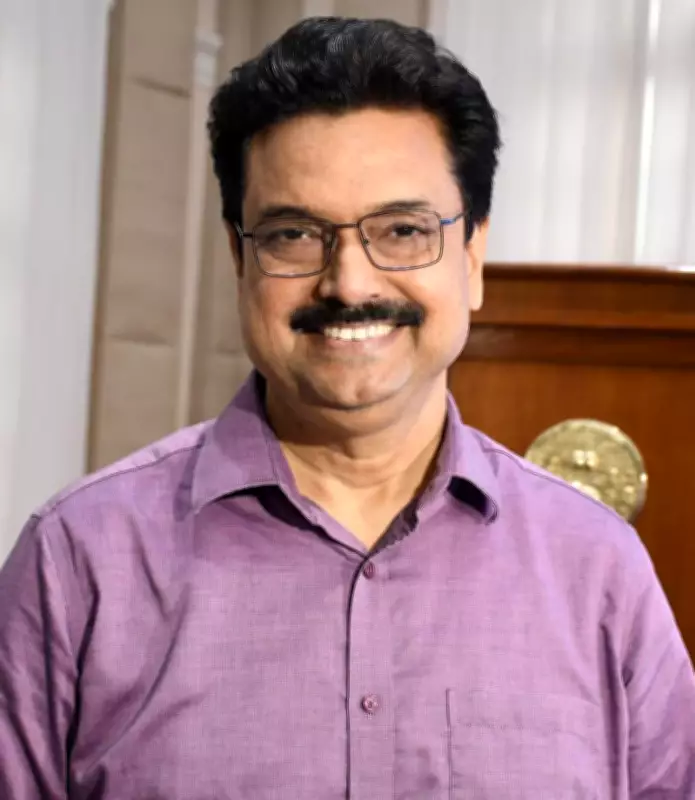
Prof. Yogesh Singh has been reappointed as Vice Chancellor of the University of Delhi (DU) for a second five-year term, the university confirmed on July 3, 2026. Since first taking charge in October 2021, Singh has overseen sweeping academic reforms, implemented the National Education Policy (NEP)-2020 across the institution, transformed the admission process, and pushed for digital governance.
Who is Yogesh Singh?
A Professor of Computer Engineering, academician, and seasoned university administrator, Yogesh Singh has spent over three decades in higher education. Before becoming DU’s Vice Chancellor in 2021, he served as Vice Chancellor of Netaji Subhas University of Technology (formerly NSIT) and earlier headed Maharaja Sayajirao University of Baroda. He also held several key administrative positions at Guru Gobind Singh Indraprastha University, including Dean, Controller of Examinations, Director of Students' Welfare, and Proctor.
An accomplished researcher in software engineering, Singh has published over 250 research papers, supervised more than 20 doctoral scholars, and authored several textbooks on software engineering used in engineering institutions across India. His academic career has earned him a reputation as an administrator who strongly advocates technology-driven governance and institutional reforms.

The DU That Changed Under Yogesh Singh
Few VCs have altered Delhi University's academic structure as significantly as Singh. His biggest legacy has been steering the university's transition to the NEP 2020. Under his leadership, DU introduced the four-year undergraduate programme (FYUP), replacing the decades-old three-year degree model. Students now have multiple entry and exit options, the opportunity to pursue an Honours with Research degree, multidisciplinary learning, skill enhancement courses, and value-added papers.
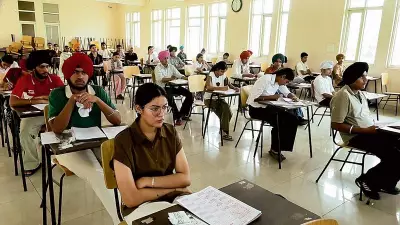
Another major shift came with the introduction of CUET-UG as the sole gateway for undergraduate admissions, ending DU's long-standing practice of admitting students based primarily on Class 12 board marks. Alongside CUET, the university launched the Common Seat Allocation System (CSAS), making admissions almost entirely digital. Singh also pushed for the implementation of the Undergraduate Curriculum Framework (UGCF), the Academic Bank of Credits, online governance, digitisation of examinations and student services, and greater flexibility in academic choices.
On the infrastructure front, his administration accelerated work on new academic blocks, hostels, research facilities, and campus modernisation projects while expanding international collaborations and encouraging research, innovation, and entrepreneurship.
A Push to Make DU Globally Competitive
Throughout his first term, Singh repeatedly emphasised the need to position Delhi University among the world's leading universities. His administration focused on improving research output, strengthening industry partnerships, promoting innovation and startups, expanding collaborations with foreign universities, and aligning academic programmes with emerging technologies and future employment needs. He also initiated large-scale faculty recruitment in several departments after years of vacancies and encouraged departments to redesign courses in line with contemporary academic and industry requirements.
The Controversies That Followed the Reforms
Singh's reform agenda was far from smooth. The rollout of FYUP and the NEP-based curriculum became one of the biggest flashpoints of his tenure. Sections of the Delhi University Teachers Association and several student organisations accused the administration of introducing sweeping academic changes without adequate consultation. Questions were raised over the pace of implementation, increased academic workload, and the restructuring of courses.

The shift to CUET-based admissions also faced criticism during its initial years due to delays, technical glitches, and concerns over the centralised admission process. His tenure also witnessed protests over issues ranging from faculty appointments and governance decisions to academic autonomy, syllabus revisions, and campus administration. While critics argued that major policy decisions were becoming increasingly centralised, the university maintained that the reforms were necessary to modernise India's premier higher education institution and align it with national education priorities.
Why His Reappointment Matters
Singh's second term comes at a crucial phase for DU. Much of the NEP framework is still being implemented, and several reforms initiated during his first tenure are yet to reach completion. Over the next five years, he is expected to deepen academic restructuring, strengthen research and global collaborations, expand digital governance, improve infrastructure, and enhance the university's international standing. His second innings will also test whether the administration can balance ambitious reforms with greater engagement with teachers and students—an issue that defined much of his first term. For Delhi University, the next five years will not just be about continuity, but about determining whether the transformation initiated under Yogesh Singh can translate into lasting academic excellence while carrying the confidence of the wider university community.