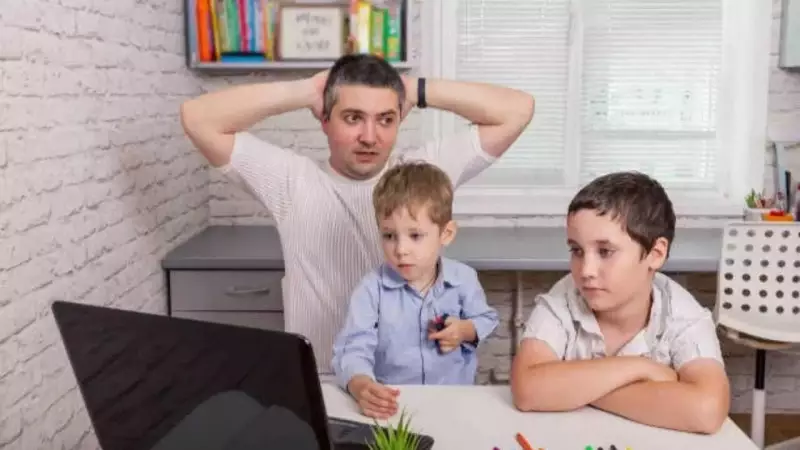
The landscape of education in India has been fundamentally reshaped by the integration of online classes, effectively merging the traditional boundaries between home and school. While educators lead lessons from behind the screen, parents have emerged as influential figures operating offstage. Their role—whether they assist, guide, or inadvertently disrupt—holds significant power over a child's ability to concentrate, their growing self-assurance, and the development of crucial autonomy. Mastering the delicate balance of when to step in and when to step back is the key to helping children thrive in virtual learning environments.
Creating the Foundation for Success
A dedicated learning space is non-negotiable for effective online schooling. This designated area helps children mentally switch into 'school mode.' Choose a spot with good lighting, a comfortable chair, and minimal distractions. Having all necessary materials within arm's reach prevents disruptive movements during lessons. This consistent study environment establishes a strong routine, sharpens focus, and makes children feel organized and prepared for their academic day.
It is critical to understand that participating in an online class is fundamentally different from casual screen time. Allowing children to attend lessons while lying in bed, eating continuously, or multitasking sends the message that the session is unimportant. Parents must encourage approaching these digital lessons with the same seriousness as in-person schooling to foster attentiveness and respect for the teacher and the learning process.

The Parent's Role During the Live Session
Preparation is a cornerstone of smooth online learning. Logging in early, checking the internet connection, ensuring devices are charged, and having required apps ready helps avoid last-minute panic and technical hiccups. When technology works seamlessly, children can channel their energy into learning. Guiding kids to manage these preparatory steps independently also builds valuable life skills and boosts their confidence.
However, once class begins, the parent's physical presence should recede. Constantly hovering beside the child, correcting their answers, or prompting responses can be more harmful than helpful. This interference disrupts the natural learning flow and prevents the educator from accurately gauging the student's true understanding. Such excessive involvement can undermine a child's confidence and sense of capability. Intervention should be reserved for absolute necessities, like a persistent technical failure.
Encouragement vs. Correction
Positive reinforcement goes a long way. Gently reminding a child to sit up, focus on the screen, and participate when called upon is supportive. Acknowledging and praising efforts—like raising a virtual hand or attempting to answer a question—encourages continued engagement. This active but non-intrusive involvement helps maintain mental alertness and improves comprehension.
Conversely, scolding or embarrassing a child during a live class can severely damage their self-esteem and create a negative association with learning. If behavioral issues arise, address them calmly and privately after the session has concluded. Protecting a child's emotional well-being is just as vital as supporting their academic progress.
Reinforcing Learning After the Screen Goes Off
The learning shouldn't end when the online portal closes. Following up after class is a powerful tool for reinforcement. Ask your child what they learned, help clarify any doubts, and revisit key concepts together. This practice solidifies knowledge without encroaching on the teacher's allotted time. It also sends a powerful message to the child that their education is valued beyond the confines of the screen, extending its importance into the heart of the home.