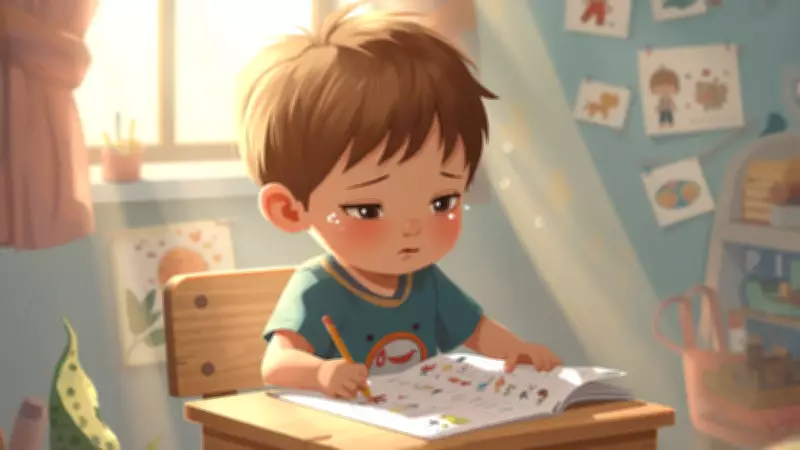
Many parents worry about whether they are doing enough for their preschool child’s learning, often turning to worksheets and activity books. However, experts suggest that the early years should focus on building a strong foundation for future learning rather than rushing into formal academics. Tabitha Paige, a speech therapist and mother of four, recommends six activities that can support a preschool child’s overall growth more effectively than worksheets.
Building with Blocks
When children build towers, create structures, or arrange objects, they learn more than just how to play. According to Tabitha, "Blocks teach balance, planning, early math skills, creativity, and problem-solving all at once." This does not require store-bought toys; sticks, stones, cardboard boxes, and everyday objects can also encourage children to think, design, and create.
Pretend Play
"This is one of the most important activities for preschool-aged children. It is the foundation for learning and supports development in countless ways," notes the expert. Pretend kitchens, stores, animals, families, and adventures provide rich opportunities for language, imagination, and social-emotional growth. These playful moments become a safe space where children make sense of the world around them.

Music
"Music is a wonderful activity for young children. It supports cognitive development by engaging multiple areas of the brain," says the speech therapist. Singing songs, clapping along to rhythms, dancing, exploring sounds, or even learning a simple instrument can engage different areas of the brain. Simple moments like singing together during playtime or making up silly songs can become valuable learning experiences.
Creativity
A blank sheet of paper can sometimes teach more than a completed worksheet. According to the speech therapist, "Drawing, cutting, sculpting, painting, and creating are excellent ways to develop fine motor skills. These early experiences build strength and coordination through playful activities." Creativity also supports whole-brain development and helps nurture imagination and creativity.
Outdoor Play
Movement supports brain development, creativity, coordination, confidence, and self-regulation, especially when it happens outdoors. Running, jumping, climbing, balancing, and exploring outdoors may look like simple play, but they are doing important developmental work.
Reading and Listening to Books and Stories
"Reading is another essential activity. It helps build vocabulary, strengthen comprehension, support attention, and expand imagination," says Tabitha. At the preschool stage, children do not need to read independently to benefit from books. Listening to parents read aloud, enjoying storybooks, or even hearing audiobooks and stories can have a lasting impact. "This one habit can teach your child far more than any worksheet ever could," she adds.
The Early Years Are Not a Race
Speech therapist Tabitha Paige emphasizes that play, reading, movement, and creativity are the real building blocks of early development. "It does not serve our children to rush through this stage. This is important work, and you are laying a strong foundation for future learning," she shares. Preschool is not a time to push children ahead of their development; it is a time to give them rich experiences that build curiosity, confidence, and a love for learning. Sometimes, the most meaningful learning happens when children are simply allowed to play.