Bihar's Village Libraries Experience a Remarkable Revival
In Bihar, village libraries once served as bustling epicenters where freedom fighters convened, ideas were exchanged, and political consciousness quietly flourished in the pre-independence era. Later, they evolved into adult learning centers in rural communities. However, as government support waned, these libraries gradually fell into disuse, fading from public life over the last three to four decades. Their numbers plummeted from approximately 4,000 to just a few hundred by the 21st century.
Government and Community Initiatives Spark Transformation
Today, thanks to recent state government efforts and community involvement, rural libraries in Bihar are witnessing a significant resurgence. Supported by the panchayati raj system, these modern libraries are being reinvented as dynamic community learning hubs. They focus on empowering local unemployed youth by providing preparatory materials for competitive exams such as SSC, NEET, IAS, PCS, and bank PO, offering a cost-effective alternative to expensive urban coaching centers.
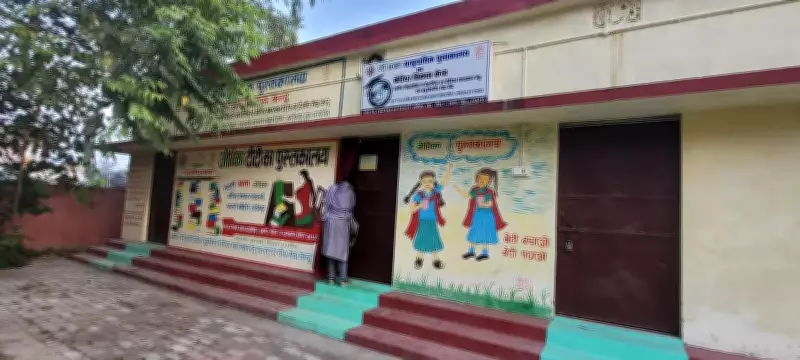
Initiated by the Bihar Rural Livelihoods Promotion Society (JEEViKA) with backing from the World Bank and the state education department, over 100 community libraries and career development centers have been established across various districts. These facilities are often set up in repurposed buildings, including unused classrooms, Anganwadi centers, and local community spaces.

Role of Vidya Didis and Digital Infrastructure
Managed by "vidya didis"—educated women from the community—these libraries create a safe and reassuring environment, particularly for rural girls seeking secure study spaces. With a combined seating capacity of 6,000, they offer free internet access, books for Classes VII to XII, and extensive resources for competitive exams. More than one lakh students are enrolled, with 63% being girls.
Most libraries are equipped with digital infrastructure, including computers, internet connectivity, power backups, and e-learning tools. Deeksha Priyadarshi, mukhiya of Sadisopur panchayat in Patna district, noted that a recently inaugurated community library with study materials and Wi-Fi has attracted numerous village youths who now regularly visit to prepare for exams.
Impact on Students and Academic Performance
Neetu Kumari, a vidya didi at the Jeevika Didi Library in Fatuha, Patna district, reported that many students from local government schools, who lack adequate study space at home, frequent the library for self-study and attend online and offline classes. She emphasized that this initiative has led to improved academic outcomes among participants.
In a significant move, the state government approved a Rs 94.5-crore plan last year to establish digital libraries in all 243 assembly constituencies, providing free high-speed internet and e-learning resources.
Notable Examples and Grassroots Efforts
At Amhara village in Patna district, a library with 2,000 registered members boasts over 1,200 books, a digital screen, and seating for 60. Vidya didis there assist with exam forms and printouts, helping bridge the rural-urban divide.
Another initiative, Prayog (Professionals Alliance for Youths’ Growth), addresses infrastructure, health, and education deficits in less advantaged communities. Established in a remote Gopalganj district village, it serves more than 400 children from 12 villages. Starting with just five students in June 2013, the library now sees regular footfall of around 400.
In districts like Samastipur and Darbhanga, young professionals and volunteers set up independent libraries during the Covid-19 lockdown to combat declining educational interest and low literacy rates. These libraries often feature sports zones, organize exposure trips, and host debates to boost children's confidence.
The Purnia district administration took early action by building libraries in every panchayat to reduce student migration to urban areas, creating over 237 rural panchayat libraries revived through book donation drives, as confirmed by a district education office official.