CBSE Postpones Board Exams in West Asia Amid Regional Conflict
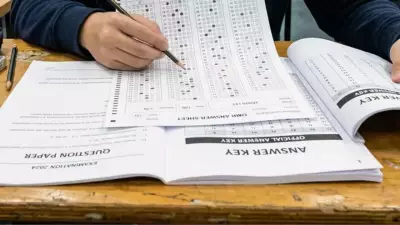
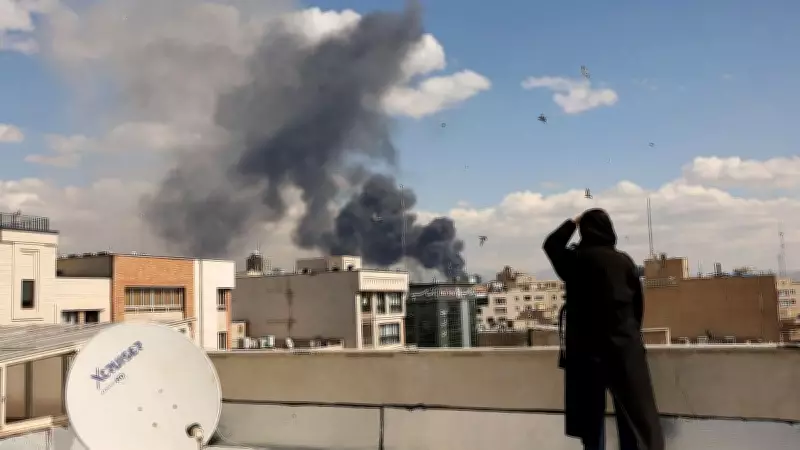
The Central Board of Secondary Education (CBSE) has announced the postponement of Class 10 and 12 board examinations in several West Asian nations. This decision comes as a direct response to the escalating tensions and conflict between Iran and Israel, which has created an unstable security environment in the region.
Official Statement from CBSE Examination Controller
CBSE Examination Controller Sanyam Bhardwaj issued a formal statement explaining the board's position. "Due to the current situation in parts of West Asia—specifically Bahrain, Iran, Kuwait, Oman, Qatar, Saudi Arabia, and the United Arab Emirates—the board has decided to postpone the Class 10 and 12 examinations that were scheduled for March 2," Bhardwaj stated. The announcement was made on March 1, 2026, with the board emphasizing student safety as the primary concern.
Impact on Students and Educational Institutions
The postponement affects thousands of students across seven countries where CBSE-affiliated schools operate. Educational authorities in these nations are now coordinating with CBSE to establish new examination dates once the regional situation stabilizes. This disruption highlights how geopolitical conflicts can directly interfere with academic schedules and student preparedness.

The board has assured students and parents that alternative arrangements will be communicated promptly through official channels. Schools in the affected regions have been instructed to maintain regular academic activities while awaiting further guidance regarding the rescheduled examinations.
Broader Context of the Iran-Israel Conflict
The decision to postpone exams underscores the severity of the ongoing Iran-Israel conflict, which has raised security concerns across West Asia. International observers note that such conflicts often have ripple effects beyond military engagements, impacting civilian life, economic activities, and now, educational operations. The CBSE's proactive measure aims to prevent any potential risks to students traveling to examination centers during this volatile period.
This development serves as a reminder of how global political tensions can influence domestic educational policies, particularly for internationally recognized examination boards like CBSE that operate across multiple countries.