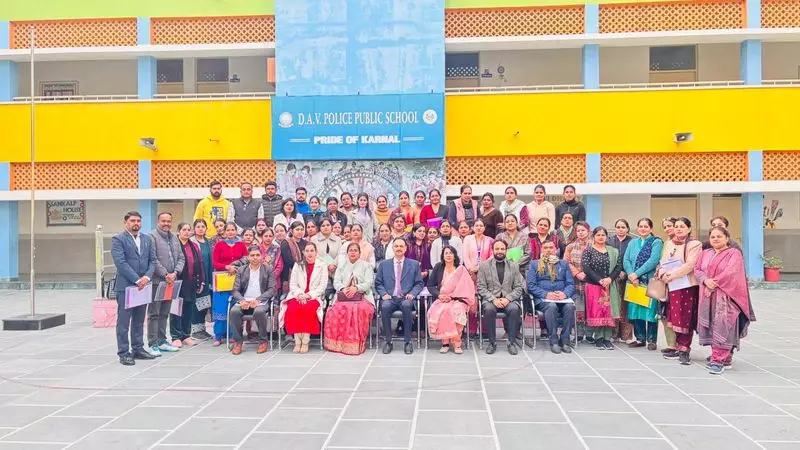
In a significant move to address mental well-being in the education sector, a dedicated workshop on stress management was recently organized for teachers of government schools in Chandigarh. The event aimed to equip educators with practical tools and strategies to handle professional and personal pressure effectively.
Empowering Educators with Coping Mechanisms
The workshop was conducted by Dr. Bhavneet Bharti, a renowned expert from the Post Graduate Institute of Medical Education and Research (PGIMER). Dr. Bharti led the session, focusing on the unique challenges faced by teachers in today's demanding academic environment. She emphasized that managing stress is not about eliminating it completely but learning to cope with it constructively.
During the interactive session, teachers were introduced to a variety of techniques. These included mindfulness exercises, breathing practices, and time management strategies. The core message was that a teacher's mental health directly impacts the classroom atmosphere and student learning outcomes. A stressed educator can inadvertently create a tense environment, whereas a calm and composed teacher fosters a positive and productive space for children.

Focus on Practical Solutions and Peer Support
The program moved beyond theoretical knowledge, delving into hands-on activities. Participants engaged in group discussions and shared their own experiences and sources of stress, which ranged from administrative workload and parental expectations to balancing personal life. This peer-sharing aspect was highlighted as a crucial support mechanism, helping teachers realize they are not alone in their struggles.
Dr. Bharti outlined several actionable steps for the attendees:
- Recognizing early signs of burnout and chronic stress.
- Incorporating short, regular breaks and physical activity into daily routines.
- Practicing simple mindfulness and deep-breathing exercises even during the school day.
- Setting healthy boundaries and learning to delegate tasks when possible.
- Building a supportive network among colleagues to share challenges and solutions.
The workshop was organized under the auspices of the Chandigarh Commission for Protection of Child Rights (CCPCR). The presence of Harjinder Kaur, Chairperson of CCPCR, underscored the importance of the initiative. She stressed that teachers play a pivotal role in shaping young minds and their psychological well-being is paramount for a healthy education system.
Building a Resilient Teaching Community
The initiative reflects a growing recognition of the mental health challenges within the teaching profession. By investing in such workshops, the authorities aim to build a more resilient, focused, and happy teaching workforce. The ultimate beneficiaries of this initiative are the students, who will learn in a more nurturing and emotionally balanced environment.
Feedback from the participating teachers was overwhelmingly positive. Many expressed that the workshop provided them with a much-needed toolkit to manage daily pressures. They appreciated the practical nature of the advice and the opportunity to connect with peers on a common platform. This workshop in Chandigarh sets a precedent for similar programs across the region, highlighting the critical link between educator well-being and quality school education.