Delhi EWS Admissions: 48,000 School Seats Allotted via Computerised Lottery
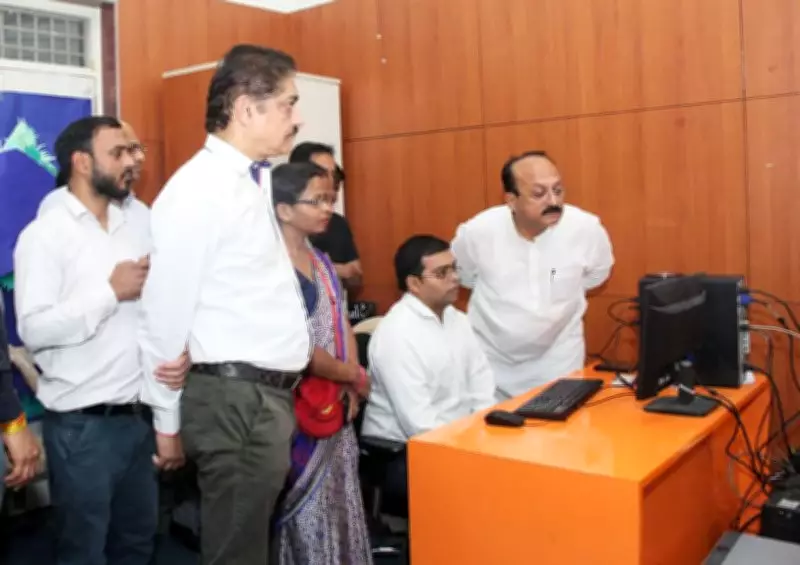
In a significant development for education in the national capital, Delhi has successfully allocated 48,000 school seats for students from Economically Weaker Sections (EWS) through a computerised lottery system. This process, designed to ensure transparency and fairness, marks a crucial step in providing equitable access to quality education for underprivileged children across the city.
Ensuring Fairness and Transparency in Admissions
The computerised lottery system was implemented to eliminate biases and manual errors that often plague traditional admission methods. By using a randomised digital process, authorities have aimed to create a level playing field for all applicants, regardless of their background or connections. This approach not only enhances trust in the education system but also aligns with broader efforts to promote inclusivity in Delhi's schools.
Officials have emphasised that the lottery was conducted with strict adherence to guidelines, ensuring that every eligible child had an equal chance of securing a seat. The system automatically generated results based on predefined criteria, such as proximity to schools and availability of seats, thereby minimising human intervention and potential disputes.

Impact on Education Access for EWS Students
The allocation of 48,000 seats represents a substantial boost to educational opportunities for EWS families in Delhi. These seats are spread across various schools, including both government and private institutions, as mandated by the Right to Education Act. This distribution helps bridge the gap between different socio-economic groups, fostering a more integrated and diverse learning environment.
Parents and guardians have welcomed the move, noting that it provides a reliable pathway for their children to attend reputable schools without the burden of high fees. The computerised lottery has also reduced the anxiety associated with admission processes, as outcomes are determined impartially and announced promptly.
Challenges and Future Prospects
Despite the success, challenges remain, such as ensuring adequate infrastructure and resources in schools to accommodate the influx of new students. Authorities are urged to monitor the implementation closely and address any issues that may arise, including teacher-student ratios and classroom facilities.
Looking ahead, this model could serve as a blueprint for other regions in India seeking to streamline EWS admissions. By leveraging technology, similar systems can be replicated to enhance efficiency and equity in education nationwide. Continuous improvements, such as integrating real-time updates and feedback mechanisms, could further refine the process in the future.
In summary, the computerised lottery for EWS admissions in Delhi has set a positive precedent for transparent and fair educational access, benefiting thousands of students and reinforcing the commitment to inclusive growth in the capital's education sector.