Delhi Government Opposes Private Schools' Pleas on Fee Regulation
The Delhi government has made a firm stand in the High Court, stating that private schools in the national capital are prohibited from collecting any fees for the upcoming academic session starting April 1, unless those fees have been determined and formally approved in strict accordance with the newly enacted fee-regulation legislation.
Legal Battle Over Fee Regulation Committees
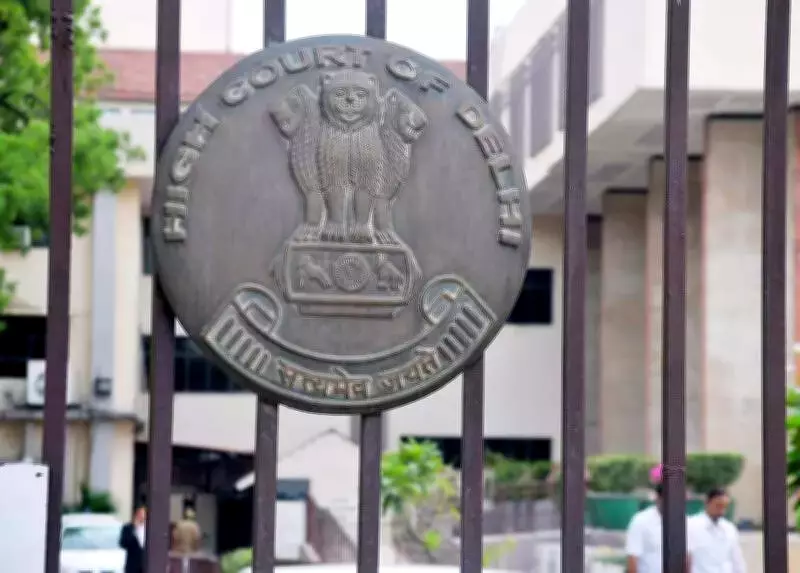
This declaration came during a hearing before a bench comprising Chief Justice D K Upadhyaya and Justice Tejas Karia. The court was addressing petitions filed by several schools' associations challenging a February 1 government notification that mandated the establishment of school-level fee regulation committees within ten days.
Additional Solicitor General S V Raju, representing the Delhi government, strongly opposed the schools' pleas seeking a stay on this mandate. He argued that the consequences of not implementing the fee regulation process would be "disastrous" for transparency and fairness in school fee structures.

Government's Legal Position on Fee Collection
"My case is that schools cannot charge anything other than the approved fee under the Delhi School Education (Transparency in Fixation and Regulation of Fees) Act," Raju stated emphatically. "They cannot collect from April 1 because the Act prohibits it. The Act prohibited for the earlier year also, but it has somehow been kept in abeyance. From April 1, 2026, if they want to collect fees, which is unregulated, they cannot do it."
The senior law officer defended the February 1 notification, explaining that the process to determine school fees had been initiated "earlier" than prescribed specifically to ensure that fees would be properly determined before the commencement of the new academic session, in full compliance with the new law's requirements.
Court Proceedings and Extended Deadline
The High Court has listed the matter for further hearing on February 24 and has extended the original February 10 deadline for private schools to form the mandated fee regulation committees until that date. During the proceedings, the court specifically asked senior counsel representing the Action Committee Unaided Recognised Private Schools to explain why their members were resisting the establishment of these committees.
Schools' Legal Challenge and Concerns
Senior advocate Akhil Sibal, appearing for the schools' associations, argued that the February 1 notification was legally unsustainable because it altered the timeline prescribed in the Act itself. He pointed out that under the Act's provisions, the fee regulation process should begin in July of the preceding academic year, accusing the government of "rushing" the implementation.
Sibal further contended that the power to fix fees had been transferred to external committees, making it "practically impossible" to conclude the process for the upcoming academic session. He emphasized that the law required unanimous decisions from these committees, creating additional procedural challenges for timely implementation.
Government's Response and Educational Objectives
In its formal response filed with the court, the Directorate of Education has maintained that if the Delhi School Education (Transparency in Fixation and Regulation of Fees) Act is not allowed to be implemented from April 1, it would completely defeat the legislation's primary objective. The government's position is clear: regulated fees must be established from the very beginning of the academic year 2026-27 to ensure transparency and prevent arbitrary fee hikes that burden parents.
The legal battle continues as both sides prepare their arguments for the next hearing, with significant implications for thousands of private school students and their families across Delhi who await clarity on fee structures for the upcoming academic year.