Sanitation Crisis Grips Haridwar Primary Schools as Funding and Staff Shortages Force Teachers and Students into Cleaning Roles
In a troubling development for education in Uttarakhand, multiple primary schools across Haridwar are grappling with a severe sanitation crisis. Inadequate government funding combined with critical staff shortages has created unhygienic conditions, compelling teachers—and in some instances, students—to take on cleaning responsibilities to maintain basic campus hygiene.
Widespread Hygiene Failures Documented During School Inspections
A recent investigative visit to at least six primary schools in the district revealed alarming patterns of neglect. Campuses exhibited poor hygiene standards, including non-functional toilet facilities, irregular sweeping of classrooms and grounds, and improper disposal of waste materials. In several locations, dirty water from adjacent drainage systems was observed seeping onto school premises, significantly elevating health risks for the young student population.
Daily Struggles at Primary School No. 34 Highlight Systemic Issues
The situation at Primary School No. 34, located near the city kotwali, exemplifies the daily challenges. With a municipal sweeper assigned to visit only once per week, the burden of routine cleaning falls directly on teachers and their pupils. A controversial video circulating online allegedly filmed at this school showed students engaged in cleaning classroom areas, sparking public outcry and criticism.

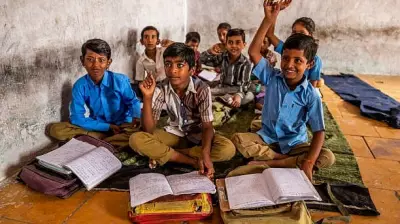
Headmistress Sapana Rani defended the school's actions, citing a lack of alternatives. "Those who criticise do not understand our problems," she stated, pointing to acute shortages in both staffing and material resources. However, Rani firmly denied allegations that children were tasked with cleaning toilets. "No children in the school were ever engaged in cleaning the toilets. We have only three rooms for 112 children across five classes, and half of them sit on the ground. It would be better if people helped solve these problems instead of criticising us for no reason," she elaborated.
This account was corroborated by three Class 5 students—Radhika, Veera, and Sweety—who confirmed they had never been instructed to clean toilet facilities.
Divergent Perspectives on Student Involvement in Cleanliness Drives
A teacher, who requested anonymity, expressed support for involving students in maintaining campus cleanliness, framing it as a character-building exercise. "Our Prime Minister and other leaders, as well as administrative officers, want us to develop cleanliness habits. What is wrong if children help keep the campus clean?" the educator questioned.
District Education Officer Amit Kumar confirmed that Headmistress Rani was formally asked to provide an explanation regarding the allegations. In her response, Rani clarified that the viral video was recorded during an officially organized cleanliness campaign. The initiative aimed to instill a culture of cleanliness, community service, and dignity of labour among students, aligning with broader national hygiene movements.
Chronic Underfunding Plagues Sanitation Efforts Across Multiple Institutions
Similar sanitation and funding deficiencies were reported at other primary schools in the Haridwar region. Reshu Verma, headmistress of Gandhi Ashram Primary School in Kankhal, highlighted the gross inadequacy of allocated funds. She revealed that only Rs 2,500 of the annual Rs 25,000 school grant is specifically earmarked for cleanliness purposes—a sum she described as utterly insufficient for basic maintenance.
"We pay Rs 500 to the sweeper from our own pockets," Verma disclosed, illustrating the personal financial sacrifices staff are making to bridge the resource gap. This testimony underscores a systemic problem where educational institutions are forced to operate with sanitation budgets that fail to meet minimum requirements, jeopardizing student health and learning environments.
The compounding issues of insufficient funding, inadequate staffing, and deteriorating infrastructure present a significant challenge for Haridwar's primary education system, calling for urgent administrative review and intervention.