Haryana Government Considers NEET for Nursing and Paramedical Admissions
The Haryana government is actively considering a significant policy shift that would make the National Eligibility cum Entrance Test (NEET) mandatory for admissions to nursing and paramedical courses across the state. This proposal, which is currently under review, aims to standardize the entry process for these critical healthcare programs, potentially aligning them with the rigorous selection criteria used for medical and dental colleges nationwide.
Student Protests Erupt Over Proposed Changes
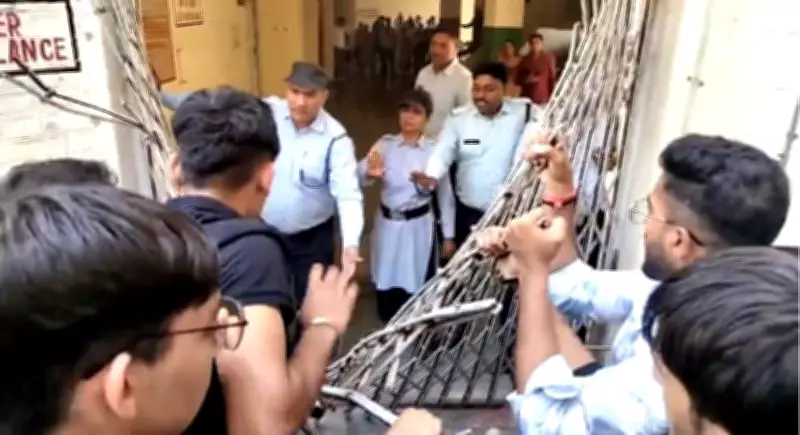
In response to this development, aspiring nursing and paramedical students have organized widespread protests, voicing strong opposition to the potential implementation of NEET. The protesters argue that introducing NEET for these courses would impose an additional layer of academic pressure, disproportionately affecting students from rural backgrounds and those with limited access to expensive coaching resources. Many demonstrators have highlighted concerns about fairness, suggesting that the move could create barriers to entry for deserving candidates who may excel in practical skills but struggle with the highly competitive nature of standardized testing.
Rationale Behind the Proposal and Broader Implications
Proponents of the proposal, including some state health officials, contend that requiring NEET would enhance the quality of nursing and paramedical education by ensuring that only the most academically prepared candidates gain admission. They believe this could lead to improved healthcare outcomes in the long term, as it would raise the baseline competency of future professionals. However, critics counter that nursing and paramedical fields emphasize hands-on training and compassionate care, qualities not fully captured by a test like NEET. The debate has sparked discussions about the balance between academic rigor and accessibility in healthcare education, with implications for workforce diversity and the state's ability to meet growing healthcare demands.

- Increased academic burden on students already navigating competitive admissions.
- Potential disadvantage for economically disadvantaged and rural aspirants.
- Questions about the relevance of NEET's curriculum to nursing and paramedical practice.
- Impact on the availability of skilled healthcare workers in Haryana.
As the Haryana government deliberates on this proposal, stakeholders including educational institutions, healthcare organizations, and student unions are closely monitoring the situation. The outcome could set a precedent for other states considering similar reforms in nursing and paramedical education, making this a pivotal moment for India's healthcare training landscape.