Jeonwala Students Engage in Cycling Safety Mock Drill
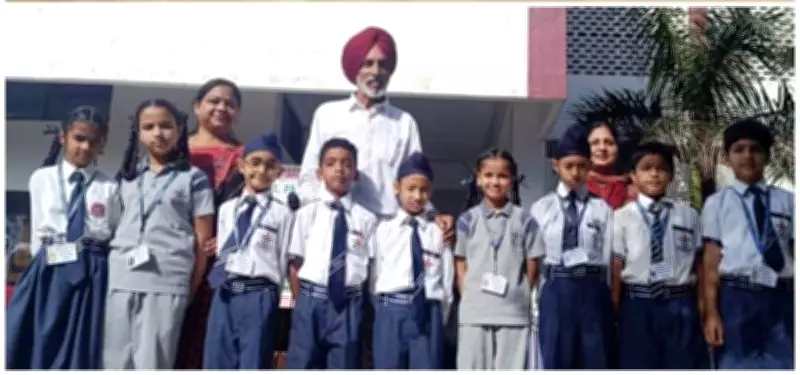
In a proactive initiative to enhance road safety awareness among young cyclists, twelve students from Jeonwala recently participated in a comprehensive cycling mock drill. This event, organized by local authorities and educational institutions, aimed to provide practical training and instill safe cycling habits in school-going children.
Objectives of the Mock Drill
The primary goal of this cycling mock drill was to educate students on essential road safety rules and proper cycling techniques. By simulating real-world traffic scenarios, the drill offered hands-on experience in navigating roads safely, understanding traffic signals, and avoiding common hazards. This approach helps bridge the gap between theoretical knowledge and practical application, ensuring that young cyclists are better prepared for actual road conditions.
Key Activities and Training Modules
During the mock drill, students engaged in various activities designed to reinforce safety protocols. These included:

- Traffic Signal Compliance: Practicing stopping at red lights and proceeding only when signals turn green.
- Helmet Usage: Emphasizing the importance of wearing helmets to prevent head injuries.
- Lane Discipline: Learning to cycle within designated lanes and avoid weaving between vehicles.
- Hand Signal Training: Using hand signals to indicate turns and stops to other road users.
- Emergency Maneuvers: Practicing quick stops and evasive actions to handle unexpected obstacles.
These modules were conducted under the supervision of trained instructors and traffic police, ensuring that students received accurate guidance and feedback.
Community and Educational Impact
The participation of twelve Jeonwala students highlights the growing emphasis on integrating safety education into school curricula. Such mock drills not only benefit the participants but also raise awareness within the broader community about the importance of road safety for cyclists. Schools and local authorities are increasingly recognizing the need for such initiatives to reduce accidents and promote a culture of responsible cycling among youth.
By involving students directly, this event fosters a sense of responsibility and encourages peer-to-peer learning, as participants can share their experiences with classmates and family members. This collaborative effort between educational institutions and civic bodies underscores a commitment to creating safer roads for all users.
Future Prospects and Recommendations
Looking ahead, organizers plan to expand similar mock drills to more schools in the region, aiming to reach a larger number of students. Recommendations include regular safety workshops, incorporating cycling safety into physical education classes, and involving parents in awareness campaigns to reinforce lessons at home. Such sustained efforts can significantly contribute to reducing cycling-related incidents and building a more safety-conscious generation.
In conclusion, the cycling mock drill in Jeonwala serves as a model for practical safety education, demonstrating how targeted training can empower young cyclists with the skills and knowledge needed for safe road navigation. As road safety remains a critical concern globally, initiatives like this play a vital role in fostering safer communities and promoting healthy, active lifestyles among students.