Jammu & Kashmir Chief Secretary Reviews Early Childhood Care and Education Framework
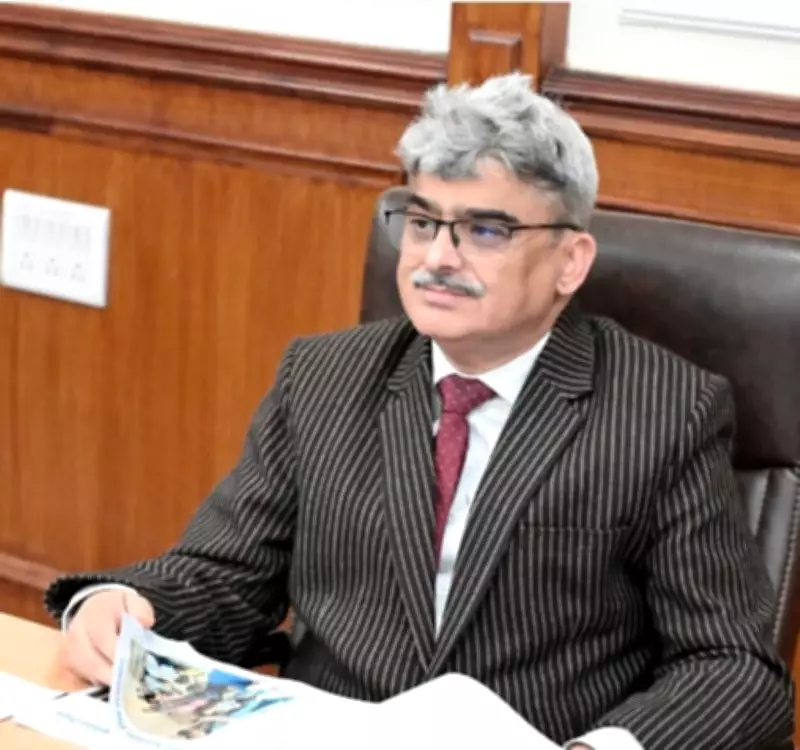
In a significant move to bolster the educational foundation for young children, the Chief Secretary of Jammu & Kashmir recently conducted a comprehensive review of the framework for Early Childhood Care and Education (ECCE). This initiative aims to enhance the quality and accessibility of early learning programs across the region, ensuring that children receive a strong start in their developmental journey.
Focus on Foundational Learning and Development
The review session emphasized the critical importance of early childhood education in shaping cognitive, social, and emotional skills. Key aspects discussed included curriculum development, teacher training, infrastructure improvements, and community engagement strategies. By addressing these areas, the framework seeks to create a robust system that supports holistic growth from an early age.
Key Components of the ECCE Framework
The framework under review encompasses several vital elements designed to uplift early childhood education standards:

- Curriculum Enhancement: Developing age-appropriate and engaging learning materials that cater to the diverse needs of young learners.
- Teacher Capacity Building: Implementing training programs to equip educators with modern pedagogical skills and child-centric approaches.
- Infrastructure Upgrades: Improving facilities in early childhood centers to provide safe and stimulating environments for children.
- Parental and Community Involvement: Encouraging active participation from families and local communities to foster a supportive learning ecosystem.
Strategic Goals and Implementation Plans
During the review, the Chief Secretary outlined strategic goals to ensure effective implementation of the ECCE framework. These include setting measurable targets for enrollment rates, learning outcomes, and resource allocation. Emphasis was placed on leveraging technology and partnerships with educational institutions to drive innovation and scalability in early childhood programs.
The session also highlighted the need for regular monitoring and evaluation mechanisms to track progress and make data-driven adjustments. By fostering collaboration between government agencies, NGOs, and private stakeholders, the framework aims to build a sustainable model for early childhood education that can be replicated across other regions.
Impact on Future Generations
Investing in early childhood care and education is seen as a pivotal step toward long-term societal benefits, including reduced dropout rates, improved academic performance, and enhanced life opportunities. The Chief Secretary's review underscores Jammu & Kashmir's commitment to prioritizing education as a cornerstone for development, with a focus on nurturing the potential of every child from their formative years.