Karnataka Government Postpones Free KCET Crash Course, Students Turn to Costly Private Coaching
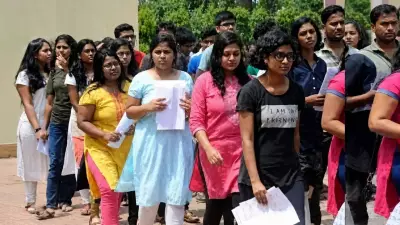
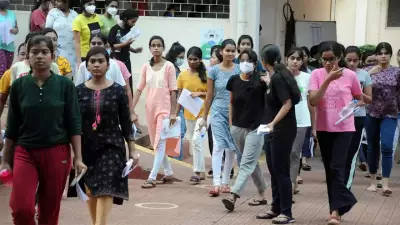
With merely one month remaining until the Karnataka Common Entrance Test (KCET), the state government has abruptly shelved its ambitious plan to provide a free, 30-day residential crash course for students from government Pre-University (PU) colleges. This decision compels aspiring students to seek expensive alternatives from private coaching institutes, with fees starting at a minimum of Rs 18,000 for similar preparatory programs.
Technical Hurdles and Financial Year Complications Cited
The Department of Pre-University Education had initially designed a comprehensive initiative to support Science stream students in preparing for crucial entrance examinations like CET. The strategy involved identifying interested candidates and conducting intensive classes in a selected school within each district. However, a critical three-day teacher training program scheduled for the second week of March was unexpectedly canceled, signaling early troubles.
Bharat S, Director of the Department of PU Education, explained the postponement, attributing it to significant technical challenges. "We encountered some problems in obtaining essential approvals for the program since it spans two financial years," he stated. This administrative bottleneck has effectively delayed the implementation of the free coaching scheme, leaving students in a precarious position as the exam date approaches rapidly.

New Year-Long Coaching Model Proposed for 2026-27
In response to the setback, officials are now formulating an alternative approach. "Instead, we are developing a new model of CET coaching from the 2026-27 academic year within PU colleges, utilizing our existing faculty," Bharat S elaborated. This revised proposal aims to create fresh, integrated content and deliver it through a year-long format rather than a last-minute crash course.
"We are collaborating with the Department of State Educational Research and Training (DSERT) to build specialized content that will be seamlessly incorporated into the standard PU curriculum. This initiative is envisioned as a sustained, year-long project, not merely a short-term preparatory measure," he added. The plan includes training teachers to effectively deliver CET-focused instruction, potentially enhancing long-term educational outcomes.
Immediate Online Alternatives and YouTube Sessions Announced
To address the immediate gap, the department is launching online coaching programs. "Online CET coaching sessions, intended to prepare students for CET 2026, had been paused due to ongoing PU-2 examinations. We are now planning to restart these in two phases," the director explained. He noted that lecturers are currently unavailable as they are engaged in evaluating exam papers.
"We intend to commence YouTube sessions starting next week. By the end of March, we will instruct college principals to facilitate these sessions, ensuring students have some guidance during this critical period," Bharat S assured. However, these digital efforts may not fully compensate for the structured, in-person coaching that was originally promised.
Significant Impact on Low-Income Students and Grassroots Efforts
The government's reversal represents a substantial blow to students from economically disadvantaged backgrounds. A PU college lecturer highlighted the dire situation, stating, "Without any viable alternative, students are reluctantly approaching private tutorials for entrance coaching. It is widely acknowledged that specialized coaching is essential to achieve a competitive rank. Unfortunately, poor students are being systematically excluded from this race."
AH Ningegowda of the Karnataka State PU College Lecturers' Association pointed out sporadic local initiatives. "Some principals in districts like Vijayanagar and Ballari are utilizing resources such as district mining funds to organize limited classes within colleges. A few institutions in Bengaluru have partnered with non-governmental organizations to conduct CET sessions. Nonetheless, the majority of students are left without adequate support or handholding," he lamented.

This development underscores broader challenges in educational equity and access, as students from government PU colleges now face heightened financial barriers in their pursuit of higher education through competitive entrance exams like KCET.