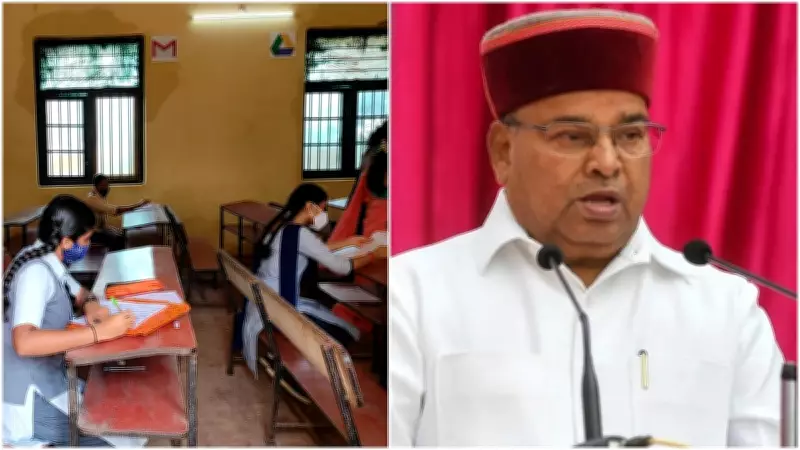
Karnataka Governor Calls for Government Review of SSLC Third Language Grading Decision
In a significant development concerning secondary education in Karnataka, Governor Thawarchand Gehlot has formally requested the state government to re-examine its recent decision regarding the grading of third language subjects in the Secondary School Leaving Certificate (SSLC) examinations. This move comes directly in response to an announcement made by School Education and Literacy Minister Madhu Bangarappa on March 27, which stated that SSLC students would no longer receive a numerical score for their third language subject, despite it carrying a full 100 marks in the curriculum.
Background of the Controversial Policy Announcement
The controversy began when Minister Madhu Bangarappa publicly declared that the Karnataka government had decided to implement a new grading system for the SSLC examinations, specifically affecting the third language component. Under this new policy, while the third language subject would continue to be taught and examined, carrying its standard weight of 100 marks, students would not be awarded an actual score for this subject on their final marksheets. Instead, the subject would be marked only as a pass or fail, effectively removing its contribution to the student's overall percentage or grade point average.
This announcement, made in late March, immediately sparked discussions among educators, parents, and students across the state. Many expressed concerns that this decision could potentially devalue the importance of learning additional languages and might disadvantage students who excel in their third language studies.

Governor Gehlot's Intervention and Official Request
Governor Thawarchand Gehlot, taking note of the widespread debate and potential implications of this educational policy shift, has now stepped in to address the matter. The Governor has formally asked the state government, particularly the Department of School Education and Literacy, to conduct a thorough review of this decision. His intervention suggests that the policy may require further consideration regarding its impact on students' academic records, language learning incentives, and overall educational outcomes.
The Governor's request emphasizes the need to evaluate whether excluding the third language score aligns with broader educational goals and student welfare. This review process is expected to examine various aspects, including the pedagogical rationale behind the change, its consistency with national education policies, and feedback from educational stakeholders across Karnataka.
Potential Implications and Stakeholder Reactions
The decision to omit third language scores from SSLC marksheets carries several potential implications:
- Academic Impact: Students who perform well in their third language might see their overall academic performance under-represented.
- Language Learning Motivation: The change could affect student motivation to excel in language studies if those achievements are not fully recognized.
- Higher Education Considerations: Some educational institutions and competitive examinations consider language proficiency as part of their admission criteria.
- Policy Consistency: Questions arise about how this change aligns with the National Education Policy's emphasis on multilingualism and holistic learning.
As the government prepares to review this decision following the Governor's request, educational experts are calling for a balanced approach that recognizes language learning while maintaining fair assessment practices. The outcome of this review could significantly influence language education policies not only in Karnataka but potentially in other states observing these developments.
The situation remains fluid as stakeholders await the government's response to the Governor's review request and any potential modifications to the originally announced policy. This development highlights the ongoing evolution of assessment methodologies in Indian secondary education and the importance of stakeholder consultation in policy implementation.