Kolkata Schools Implement Emergency Measures to Sustain Midday Meal Programs Amid LPG Shortage
Educational institutions across Kolkata and its surrounding areas are proactively establishing alternative fuel arrangements to ensure the uninterrupted continuation of their crucial midday meal services, as a severe liquefied petroleum gas (LPG) crisis disrupts normal cooking operations. This strategic shift highlights the resilience of school administrations in the face of logistical challenges that threaten essential student nutrition programs.
Traditional Cooking Methods Resurface as Modern Solutions Fail
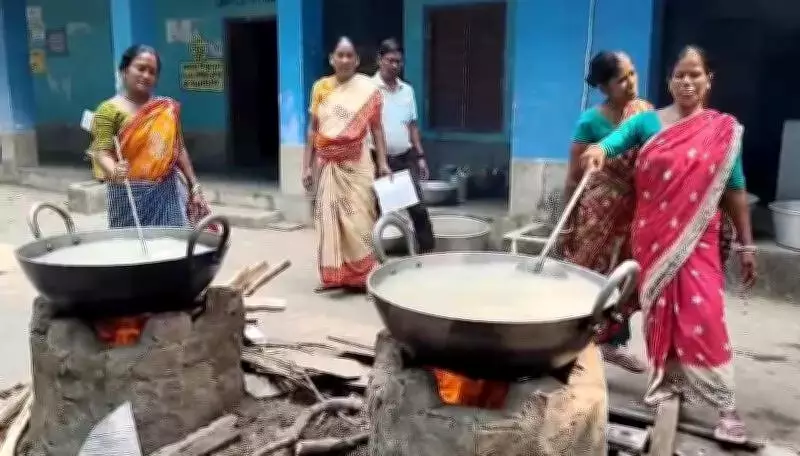
Krishnachandrapur High School took decisive action on Tuesday by transitioning to traditional wood-fired stoves, constructing two mud chulhas in an open-air area outside the school premises. This move came after exhausting conventional supply channels. Headmaster Chandan Maiti explained the dire circumstances: "We typically require thirty LPG cylinders monthly, but securing consistent stock has become increasingly problematic. Our LPG dealer could not guarantee supply despite our urgent requests. We have formally notified the district inspector's office about this situation. Regardless of challenges, we cannot halt midday meals, compelling us to adopt wood-fired cooking alternatives."
Community Kitchen Adaptations and Menu Simplifications
Rani Rasmoni High School, which relies on external catering, received boiled eggs instead of its regular menu items on Tuesday due to the cylinder shortage. This adjustment affected not just one institution but sixty-five schools in Kolkata that depend on a north Kolkata-based community kitchen operated by the Global Health Foundation Trust. Indranil Mukherjee, joint treasurer of the trust, confirmed the necessity-driven menu change: "Our daily requirement is four cylinders, but today we managed with only two. After consulting with education department officials, we prepared and distributed boiled eggs to all affiliated schools as a viable nutritional substitute."

Syed Mohsin Imam, headmaster of Rani Rasmoni High School, noted that the community kitchen's adaptation ensured students still received a meal, albeit simplified.
Financial Strain and Uncertain Supply Chains
Schools with independent cooking facilities are grappling with dual challenges: scarcity and soaring costs. The price of commercial LPG has escalated to approximately Rs 2,100 per cylinder, forcing institutions to allocate additional funds from school budgets to secure fuel. Mitra Institution (Main) exemplified this trend by purchasing a commercial cylinder at an extra cost of Rs 200. Headmaster Sayantan Das expressed concern about future provisions: "We operate with a weekly need of two cylinders, but currently possess only one, sufficient for about two more days of cooking. Beyond that, our situation remains uncertain and precarious."
Similarly, Santoshpur Rishi Aurobindo Balika Vidyapith faces imminent disruption as their gas booking failed, leaving them with a mere two-day supply. Headmistress Sarbani Sen voiced apprehension about maintaining meal services without reliable fuel access.
Broader Implications and Administrative Responses
The crisis underscores systemic vulnerabilities in supply chains affecting essential services like school nutrition. Administrators are exploring various contingency plans, including:
- Utilizing traditional cooking methods like wood stoves
- Simplifying menus to require less fuel-intensive preparation
- Absorbing increased fuel costs through school funds
- Coordinating with education department officials for guidance
These measures demonstrate a collective commitment to prioritizing student welfare despite operational hurdles. The situation remains fluid, with schools monitoring fuel availability closely to adapt strategies as needed, ensuring that midday meals—a critical component of student health and attendance—continue without interruption.