LPG Crisis Disrupts Mid-Day Meal Services in Gurdaspur Schools
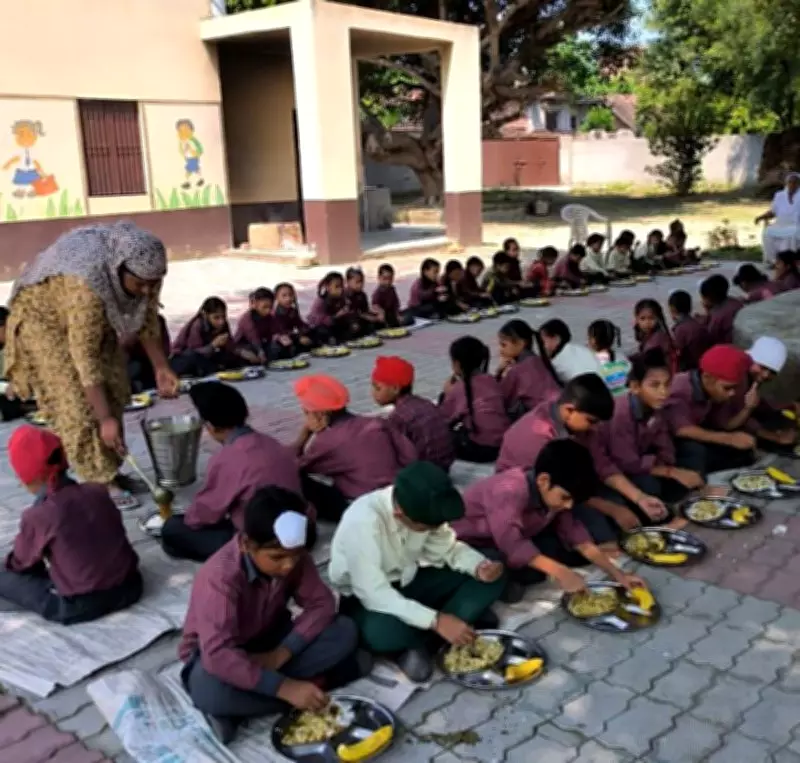
A critical shortage of LPG cylinders in Gurdaspur district has compelled government schools to halt their mid-day meal services, a development that educators fear could lead to a significant rise in student dropouts. The mid-day meal scheme, which is mandatory for primary and middle classes in government schools, has been severely impacted, leaving thousands of students without their daily nutritional support.
Impact on Student Attendance and Vulnerable Households
The suspension of mid-day meals poses a direct threat to school attendance, particularly among students from poor and lower-middle-class backgrounds. For many families, the meal serves as a powerful incentive to send children, especially girls, to school rather than keeping them at home. Balwinder Kaur, a spokesperson for the Democratic Teachers Front (DTF), emphasized, "The scheme is a crucial factor in reducing dropout rates in India. Disruptions in this service are posing a direct threat to student attendance, particularly among economically vulnerable households."
Challenges in Finding Alternative Cooking Fuels
In response to the LPG shortage, the mid-day meal society has instructed all District Education Officers (Secondary and Elementary) to make alternative arrangements. However, workers are struggling to find viable substitutes. Gurpreet Kaur Kahali, president of the Gurdaspur unit Democratic Mid-Day Meal Workers' Union, highlighted the difficulties: "We have to scout for firewood and cow-dung cakes as alternative arrangements. With the entire state having intermittent rainfall, finding firewood has become difficult. Cow-dung cakes, which act as a fuel for burning the traditional 'chullah', too, are not available."

Even when alternative fuels are sourced, the cooking costs escalate dramatically. The standard cooking cost is Rs 6.78 per student per day in primary schools and over Rs 10 for middle school students, but these figures rise significantly with alternative measures. Kahali added, "Under these circumstances, we are unable to feed the students. Even we are asked to shell out money for the firewood, notwithstanding the fact that we are paid a meagre Rs 3,000 per month. Who will pay the extra amount?"
Broader Implications and Worker Protests
The crisis has sparked concerns beyond immediate meal disruptions. Teachers warn that if the situation does not improve, dropout rates may increase further, undermining educational outcomes in the region. Additionally, the issue has mobilized mid-day meal workers across the state. Out of more than 50,000 workers, 5,200 have been called to gather in Ludhiana on March 22 to lodge a protest against the LPG shortage and its impact on their work.
This incident underscores the fragile dependency of essential services like the mid-day meal scheme on reliable fuel supplies. As schools grapple with these challenges, the need for sustainable solutions becomes increasingly urgent to ensure that nutritional and educational support for India's most vulnerable students remains uninterrupted.