Maharashtra Budget Approves NASA Visits for Top Students and Amravati Education Complex
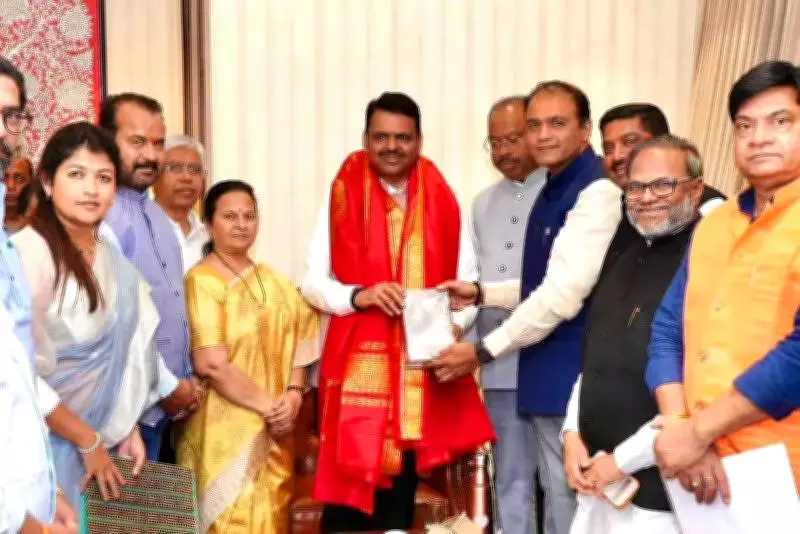
In a significant boost to education initiatives, Maharashtra Chief Minister Devendra Fadnavis announced two key proposals from Minister of State Pankaj Bhoyar during his budget speech on Friday. The measures aim to enhance scientific exposure and administrative efficiency within the state's education system.
Chief Minister's Vigyan Wari: Tiered Science Visit Program
The first initiative, named the Chief Minister's Vigyan Wari, establishes a structured reward system for students excelling in science exhibitions. Under this program, participants will earn visits to prestigious scientific institutions based on their achievement levels.
The tiered structure operates as follows:

- Top 51 students at district-level science exhibitions will visit the Indian Space Research Organisation (ISRO) headquarters in Bengaluru.
- Top 51 students at state-level exhibitions will be awarded educational trips to NASA facilities in the United States.
Minister Bhoyar originally proposed this scheme to Chief Minister Fadnavis in June 2025, highlighting that science exhibitions were failing to effectively engage students. He argued that the promise of visiting world-renowned scientific institutions would significantly increase participation rates and foster a scientific mindset among Maharashtra's youth.
"This initiative transforms science exhibitions from mere competitions into pathways for extraordinary educational experiences," explained an education department official familiar with the proposal.
Dr Punjabrao Deshmukh Educational Complex in Amravati
The second budget-approved proposal addresses long-standing administrative challenges by consolidating scattered education department offices in Amravati. Currently, nine separate offices operate from different locations across the city, creating operational inefficiencies.
The offices to be consolidated include:
- Divisional Education Deputy Director Office
- State Secondary and Higher Secondary Board Office
- District Education and Training Institute
- Salary Units for Primary Staff
- Salary Units for Secondary Staff
- Three separate Education Officer Offices
Minister Bhoyar emphasized that this fragmentation has resulted in poor coordination between departments, inadequate working space for staff, and maintenance challenges in ageing buildings that require frequent repairs.
The new complex will bring all nine offices under a single roof, significantly improving administrative efficiency and inter-departmental collaboration. In recognition of his substantial contributions to education in Maharashtra, the facility will be named after Dr Punjabrao Deshmukh.
"This consolidation represents a practical solution to years of administrative fragmentation," noted a senior education official. "Having all departments in one location will streamline processes and improve service delivery to educational institutions across the region."
Both initiatives reflect the Maharashtra government's commitment to strengthening educational infrastructure and creating inspirational opportunities for students. The NASA and ISRO visits particularly aim to position Maharashtra as a leader in cultivating scientific talent among India's youth.