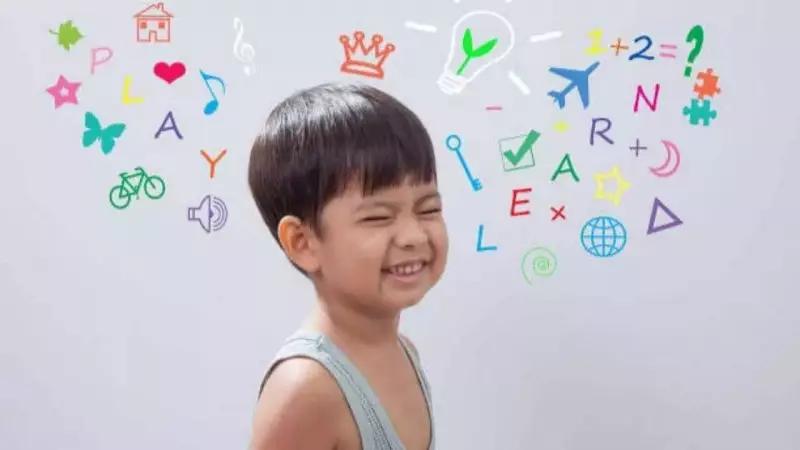
In today's achievement-oriented society, Indian children frequently face immense pressure to excel academically, behave perfectly, and deliver flawless performances. This environment can instill a deep fear of making errors. However, genuine learning and development are impossible without encountering and overcoming setbacks along the way.
The Transformative Power of a Simple Message
A powerful thought for the day, "Mistakes are proof that you are trying," can serve as a life-changing mantra for young minds. This perspective encourages children to welcome challenges, view effort as a triumph, and recognize that their worth is not tied to their errors. This lesson is particularly crucial during their formative years, when daily experiences fundamentally shape their confidence, identity, and ability to bounce back.
1. Mistakes Demonstrate Effort, Not Failure
Children often mistakenly believe that an error means they are not good enough. Parents and educators must reinforce that the act of trying is an accomplishment itself. This teaches kids that every attempt has value, including those that do not yield the desired result. When children internalize this, they foster a healthy relationship with learning. Struggling with a complex math problem or learning to tie shoelaces transforms from a barrier into a stepping stone. The focus shifts to being proud of the effort invested.

2. Scientific Evidence: Mistakes Strengthen the Brain
Neuroscience reveals that when children make mistakes, their brains become active, forming new neural connections. This means each wrong answer is secretly contributing to making them smarter. Explaining this biological process to children can turn mistakes from something frightening into something exciting. They begin to perceive challenges as opportunities for brain growth rather than situations to avoid. This approach nurtures curiosity and builds a robust, long-lasting foundation for academic confidence.
3. Cultivating Patience and Perseverance
Patience is not an innate trait but a skill developed over time. Understanding that mistakes are a natural part of any journey teaches children to slow down, try different approaches, and resist giving up easily. This lesson in perseverance proves invaluable later in life, whether they are preparing for competitive exams, acquiring a new skill, or navigating personal difficulties. It becomes an instinctive response to persist in the face of obstacles.
4. Building Emotional Resilience
A child who knows it is acceptable to make mistakes will not crumble at the first sign of criticism or disappointment. Instead, they learn to manage their emotions, understand feelings of frustration, and rise again after a setback. This emotional strength becomes one of the most precious assets they carry into adulthood, enabling them to confront real-world challenges with greater confidence and composure.
5. Fostering Creativity and Problem-Solving Skills
When the fear of being wrong is removed, children feel empowered to take calculated risks and think innovatively. They experiment with different methods, explore novel ideas, and develop creative problem-solving techniques. This skill is essential not just for future scientists, artists, or tech professionals, but for anyone navigating an evolving world. Mistakes become opportunities for discovery rather than secrets to conceal.
6. Learning Humility and Empathy
Recognizing their own imperfections helps children become kinder and more understanding toward others. They are less likely to judge peers hastily because they comprehend that everyone is prone to errors. This humility aids in forming stronger, more empathetic friendships and handling social dynamics with maturity. It also shapes them into compassionate team players, both in school and in future collaborative environments.
Preparing for Real-World Success
Every successful individual, from celebrated athletes to groundbreaking entrepreneurs, has a history paved with mistakes. What distinguishes them is their unwavering commitment to keep trying. Instilling this perspective in children early on sets a solid foundation for genuine success. They learn that doing their best holds more significance than being perfect, and that personal progress is more important than comparisons with others.