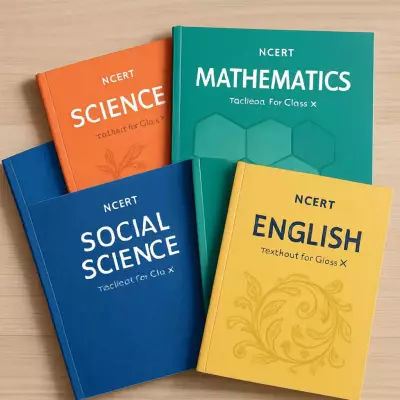
In a significant move to integrate cutting-edge technology into the Indian school curriculum, the National Council of Educational Research and Training (NCERT) has established a dedicated committee to create new textbooks on Artificial Intelligence (AI) for students in Classes 11 and 12. This initiative marks a pivotal step in formalizing AI education at the higher secondary level across the country.
Expert Committee to Spearhead Textbook Development
The council has formed a 19-member committee comprising a diverse group of experts from academia and industry. The team is tasked with the crucial job of developing comprehensive and age-appropriate content on Artificial Intelligence. According to official information, the committee includes faculty members from prestigious institutions like the Indian Institute of Technology (IIT) Delhi and the National Institute of Educational Planning and Administration (NIEPA).
This blend of technical expertise from IITs and pedagogical insight from educational planning bodies is designed to ensure the textbooks are both scientifically robust and effectively tailored for classroom learning. The formation of this specialized group underscores the government's commitment to preparing students for a future dominated by technological advancements.

Aligning with the National Curriculum Framework
The development of these new AI textbooks is not an isolated project but a key component of a larger educational overhaul. The initiative is being undertaken as part of the implementation of the National Curriculum Framework for School Education (NCF-SE), which was launched in 2023. The NCF-SE explicitly recommends the introduction of contemporary subjects like Artificial Intelligence to make education more relevant to the 21st century.
By creating standardized textbooks, NCERT aims to provide a uniform and high-quality foundation in AI concepts for all students under the Central Board of Secondary Education (CBSE) and other boards that adopt its materials. This move is expected to democratize access to foundational AI knowledge, bridging the gap between theoretical education and practical, future-ready skills.
Timeline and Broader Educational Implications
The committee has been given a clear mandate and timeline to execute this important task. The goal is to have the new AI textbooks ready for the academic year 2026-27. This timeline allows for thorough research, content creation, review, and pilot testing to ensure the final product meets educational standards.
The introduction of a formal AI curriculum for Classes 11 and 12 carries profound implications. It signals a shift in India's educational priorities, recognizing AI literacy as a core competency for the next generation. Students exposed to these subjects will gain early insights into machine learning, data analysis, and the ethical dimensions of AI, potentially inspiring them to pursue careers in STEM fields.
This textbook development initiative is a concrete step towards building a skilled workforce capable of contributing to and leading in the global AI revolution. It aligns with national goals like the "AI for All" strategy and positions school education as the foundational pillar for India's aspirations to become a global leader in technology and innovation.