In a significant development impacting Pakistan's education sector, a coalition of leading textbook publishers has launched a strong protest against the federal government's recent decision to unilaterally reform the national curriculum. The publishers argue that the abrupt changes, implemented without consultation, threaten to render millions of existing textbooks obsolete, potentially causing a staggering financial loss estimated at Rs 10 billion to the industry.
The Core of the Controversy: Unilateral Decision-Making
The dispute centers on the government's move to introduce a new, single national curriculum. According to the protesting publishers, this decision was made without engaging key stakeholders, including the Pakistan Publishers and Booksellers Association (PPBA). The association represents a major segment of the educational publishing industry, which is now facing an existential threat.
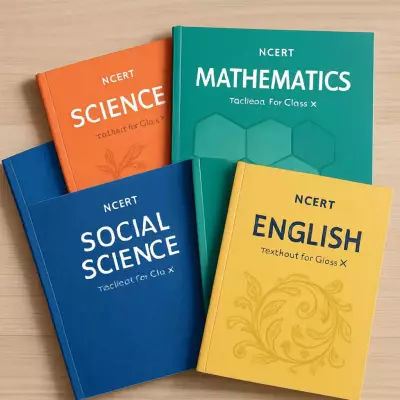
Publishers have invested heavily in printing existing course materials aligned with the previous curriculum. The sudden shift, they claim, makes their current stock unsellable, leading to massive financial waste. This unilateral approach has not only sparked economic fears but also raised questions about the process of educational policymaking in the country.

Financial Ruin and Broader Implications
The potential Rs 10 billion loss is not just a number for the industry. Publishers warn that this could lead to severe business closures, job losses, and a destabilization of the entire educational supply chain. The ripple effect may impact authors, printers, distributors, and booksellers nationwide.
Beyond the immediate financial shock, the protest highlights a deeper issue of policy implementation. The publishers' primary grievance is the lack of dialogue. They assert that a collaborative transition plan could have allowed them to phase out old stock while gradually introducing new books, minimizing economic damage and ensuring a smoother change for schools and students.
This situation puts the government's push for educational standardization at odds with the practical realities of the publishing market. While curriculum reform is often pursued to improve educational outcomes, the method of execution is now under intense scrutiny.
A Call for Dialogue and Phased Implementation
Facing this crisis, the publishing industry is calling for urgent talks with government authorities. Their demands are clear: a structured dialogue to address their concerns and a possible phased implementation of the new curriculum. Such an approach would provide the necessary time to manage inventory and plan for new publications without incurring catastrophic losses.
The standoff serves as a critical case study in how educational reforms can have unintended economic consequences when key industrial stakeholders are excluded from the planning process. The outcome of this protest will likely influence how future policy changes in Pakistan's education sector are conducted.
As the debate continues, the focus remains on finding a balance between the government's educational objectives and the sustainability of the industries that support the learning ecosystem. The resolution, or lack thereof, will send a strong signal about the state of public-private consultation in the country's governance.