Prominent Panjab University Student Leader Targeted in Campus Shooting Incident
In a shocking development that has sent ripples through the academic community, Jashan Jawandha, a visible and often controversial figure in Panjab University student politics, was allegedly the target of a firing incident on Tuesday evening. The event occurred near the botany department parking area, casting a dark shadow over the campus and bringing renewed scrutiny to the turbulent world of university student union affairs.
A Political Journey Marked by Shifting Alliances
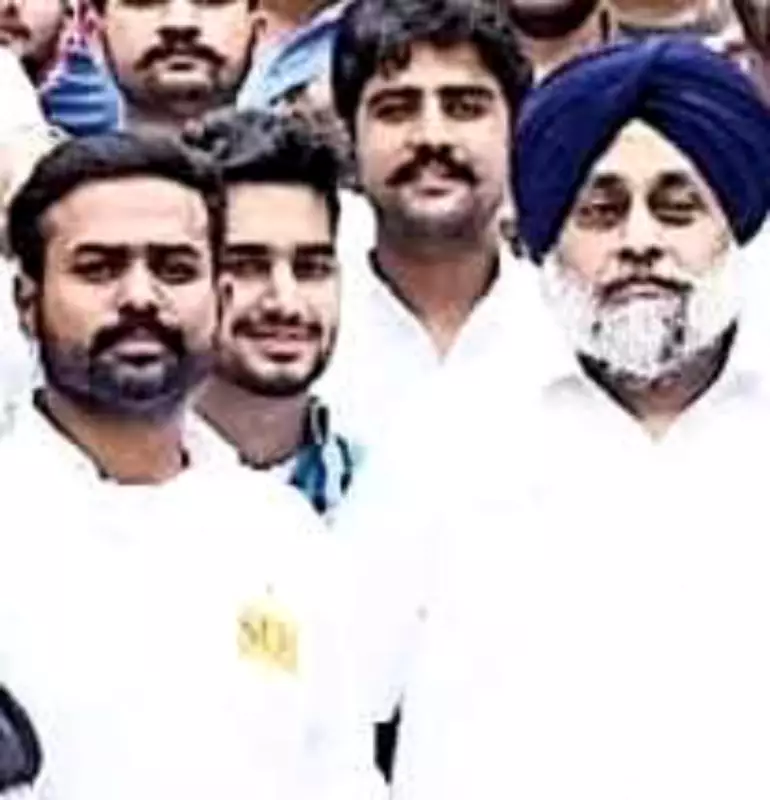
Jawandha's political trajectory began at DAV College, Sector 10, where he rose through the ranks with the Students Organisation of India (SOI). His prominence grew significantly in 2022 when he was announced as the 'president' candidate at the Shiromani Akali Dal headquarters, an event graced by senior leaders Sukhbir Badal and Bikram Singh Majithia. This move signaled his entry into the mainstream of Punjab's student political landscape.
A significant shift occurred in July 2024, ahead of the Panjab University Campus Student Council (PUCSC) elections, when Jawandha, then a UIAMS student, joined the Students Organisation of Panjab University (SOPU). He contested for the general secretary position as part of an alliance but did not secure victory. This election period later gained notoriety for an unexpected and troubling development.

Controversial Connections and Police Scrutiny
During the heated 2024 election campaign, Ravi Rajgarh, described by police as an alleged associate of notorious gangster Lawrence Bishnoi, made a startling appearance at the PU Student Centre. He publicly introduced candidates, including Jawandha and presidential hopeful Anurag Dalal, creating a major security concern. Rajgarh was subsequently arrested in Ludhiana in July on multiple criminal charges.
This incident led to police questioning both Dalal and Jawandha. Both individuals claimed they had no personal acquaintance with Rajgarh, suggesting he might have arrived with other outsiders who frequently visit the campus during election periods. Despite this, the association raised serious questions about the influence of external criminal elements in student politics.
Continued Activity and Internal Factionalism
Jawandha remained politically active following the 2024 elections. In the 2025 PUCSC polls, he backed Abhishek Dagar for the general secretary position, who ultimately emerged victorious. Around this time, Jawandha's faction split from the Balraj Sidhu-led group within SOPU, highlighting the persistent internal divisions and power struggles that characterize these student organizations.
A History of Campus Confrontations and Clashes
Jawandha's name has repeatedly surfaced in connection with various campus confrontations. In April of last year, he was allegedly involved in an attack on Balraj Sidhu at the Student Centre, further exemplifying the volatile nature of these political rivalries. On polling day, he was part of a clash involving opposing groups, demonstrating his frontline role in these conflicts.
During the same election period, police detained Jawandha on suspicion of being an outsider, questioned him thoroughly, and briefly confiscated his phone. This incident underscored the authorities' growing concerns about non-student interference in campus affairs.
Jawandha was also present during Abhishek Dagar's hunger strike, which protested the controversial no-protest affidavit requirement at Panjab University. He was seen when the strike concluded after the administration wisely rolled back the contentious policy. However, sources indicated emerging differences within the group, and Jawandha was allegedly involved in another altercation with an individual close to Dagar, suggesting ongoing friction even among allies.
An Evolving Political Landscape Under Scrutiny
Jashan Jawandha's movement from SOI to SOPU, followed by his navigation of factional shifts within the latter organization, places him squarely within the constantly evolving and often tumultuous landscape of Panjab University student politics. His career reflects the broader patterns of alliance-building, confrontation, and external influences that define this arena.

The recent firing incident near the botany department has thrust this landscape into the spotlight once again, prompting urgent questions about campus safety, the role of student politics, and the need for greater accountability and transparency in these influential student organizations. As investigations proceed, the university community awaits answers while reflecting on the complex interplay of ambition, rivalry, and power that shapes its political environment.