Punjab's Class 12 Practical Exams: Junior Teachers as Invigilators Sparks Controversy
The Punjab School Education Board (PSEB) has appointed junior class teachers as invigilators for the upcoming Class 12 practical examinations, a decision that has ignited significant backlash from teacher unions. The practical exams are scheduled to run from February 2 to 12, but the move to involve teachers who typically instruct classes 6 to 10 has been labeled as "unfair" by critics.
Teacher Unions Voice Concerns Over Fairness and Experience
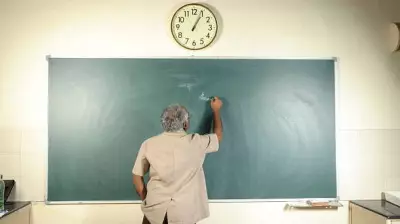
In a statement released on Saturday, the Democratic Teachers Front (DTF) expressed strong opposition to the appointment of "master cadre teachers" for conducting Class 12 practical exams. These teachers, whose primary role is to educate students in classes 6 to 10, lack experience with the senior secondary curriculum. The DTF highlighted that this situation arises due to a severe shortage of lecturers in Punjab's government schools.
DTF state president Vikramdev Singh criticized the decision, stating it is detrimental to both educators and students. He argued, "If a teacher does not have any knowledge about the subject for which he has been assigned the duty of conducting practical examinations, then how can he conduct the practical examination efficiently?" Singh pointed out instances where mathematics teachers are being tasked with overseeing physics, biology, and chemistry practicals, subjects they have neither studied nor taught.

Vacant Lecturer Posts Exacerbate the Issue
The controversy is further fueled by the revelation that over 7,000 lecturer positions across various subjects in Punjab's government schools have remained unfilled for an extended period. Singh accused the Punjab government of neglecting these vacancies, opting instead to burden master cadre teachers with additional responsibilities. "Instead of filling these posts through promotion and direct recruitment, the Punjab government is continuously harassing the master cadre by imposing extra work on them," he said.
He also criticized the government's focus on superficial measures, such as painting schools for publicity, while failing to address core educational staffing needs. According to Singh, no new recruitment of school lecturers has occurred in the past four years of the government's tenure, raising questions about the sustainability of the education system.
Additional Duties for Teachers Amid Exam Season
Compounding the issue, teachers in the Raikot sub-division of Ludhiana district have been directed to accompany pilgrims to Amritsar under the Mukh Mantri Tirath Yatra Yojana. An order issued by Payal Goyal, the sub-divisional magistrate (SDM) of Raikot, mandates that Booth Level Officers (BLOs), often teachers, prepare lists of villagers over 50 wishing to visit religious sites and accompany them on buses starting February 2.
A teacher serving as a BLO in Raikot expressed frustration, noting that exam duties are being overshadowed by pilgrimage responsibilities. "Exams are here and we have been ordered to take a pilgrimage to Amritsar. Earlier also we have been put on several odd duties such as flood management, SIR voter list revisions, stubble burning checks etc," the teacher said.
When contacted, SDM Payal Goyal defended the decision, stating that replacements are available for teachers with emergencies and that educators were relieved from school duties before being assigned this task. However, this has done little to assuage concerns about teacher workload and the impact on educational quality.
Broader Implications for Punjab's Education System
The appointment of junior teachers as invigilators for Class 12 practical exams underscores deeper systemic issues within Punjab's education sector. The combination of vacant lecturer posts and the imposition of non-academic duties on teachers threatens to compromise the integrity of examinations and the overall learning environment. As the practical exams commence, stakeholders are calling for urgent reforms to address staffing shortages and ensure that educational priorities are not sidelined by administrative decisions.