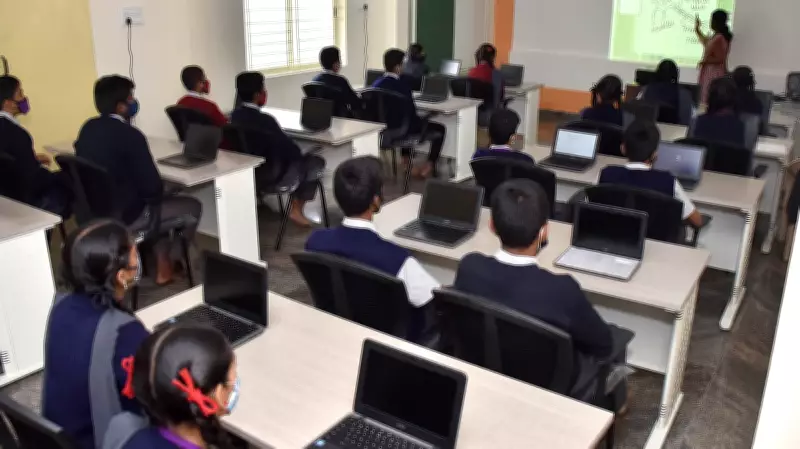
The declining trust in government schools is a pressing issue that demands immediate attention. Despite decades of policy interventions, many parents continue to opt for private institutions, perceiving them as superior in quality. This perception, whether accurate or not, has serious consequences for the equity and inclusiveness of the education system. Restoring faith in public schooling requires a multidimensional approach that goes beyond merely increasing funding.
The Root of Mistrust
Multiple factors contribute to the low confidence in government schools. According to the Annual Status of Education Report (ASER) 2023, only about 50% of children in government schools can read a Grade 2 level text by the time they reach Grade 5. This learning crisis, combined with inadequate infrastructure and irregular teacher attendance, has cemented the belief that private schools offer better prospects. Additionally, the proliferation of low-fee private schools, often unregulated, has provided an alternative that many families are willing to stretch their budgets to afford.
Infrastructure and Basic Amenities
One key area is the physical condition of schools. Many government schools lack functional toilets, safe drinking water, and proper classrooms. The provision of basic amenities is not just a matter of comfort but directly impacts enrollment and retention. When parents see dilapidated buildings, they naturally question the commitment of the state. States that have invested in infrastructure, such as Kerala and Himachal Pradesh, have seen higher levels of trust and enrollment in government schools.

Teacher Quality and Accountability
Teacher absenteeism and lack of pedagogical skills are often cited as major drawbacks. Introducing robust accountability mechanisms, such as regular inspections and performance-linked incentives, can help improve attendance and teaching quality. Additionally, continuous professional development programs are essential to equip teachers with modern methods. The use of technology, such as the DIKSHA platform, can also support teacher training and resource sharing.
Community Engagement and Transparency
Building trust requires involving local communities. School management committees (SMCs) need to be empowered to monitor school functioning and hold teachers accountable. Transparent reporting of student performance and school finances can also foster a sense of ownership among parents. When parents see their feedback leading to tangible improvements, their faith grows. Initiatives like "school adoption" by local businesses or alumni can also enhance resources and oversight.
Learning Outcomes and Curriculum Relevance
Ultimately, the quality of education must be demonstrably improved. This means focusing on foundational literacy and numeracy, as emphasised by the National Education Policy 2020. Making the curriculum more relevant to life skills and local contexts can also enhance its perceived value. When students perform well in assessments and gain practical knowledge, the credibility of government schools rises. The integration of vocational training and digital literacy can further make government schools attractive.
Addressing the Private School Competition
Regulating the low-fee private sector is also crucial. Many such schools operate without adequate facilities or qualified teachers, yet they thrive due to the perception that anything private is better. The government must enforce minimum standards for all schools and ensure that the advantages of government schools—such as free textbooks, mid-day meals, and reservations—are better communicated to parents.
The Way Forward
Restoring trust is a long-term process that requires political will and sustained effort. It involves not only better infrastructure and teacher training but also a cultural shift in how government schools are viewed. Public campaigns highlighting success stories from government schools can help change perceptions. The government must also address the root causes of why families opt out, such as the fear of English-medium instruction. Expanding English medium options in government schools, where feasible, could help retain middle-class families.

In conclusion, improving public trust in government schools is not just about allocating more funds; it is about delivering results. By focusing on accountability, community participation, and learning outcomes, the system can regain its standing as a provider of quality education for all. The steps outlined here, though challenging, are essential for building an equitable and thriving society.