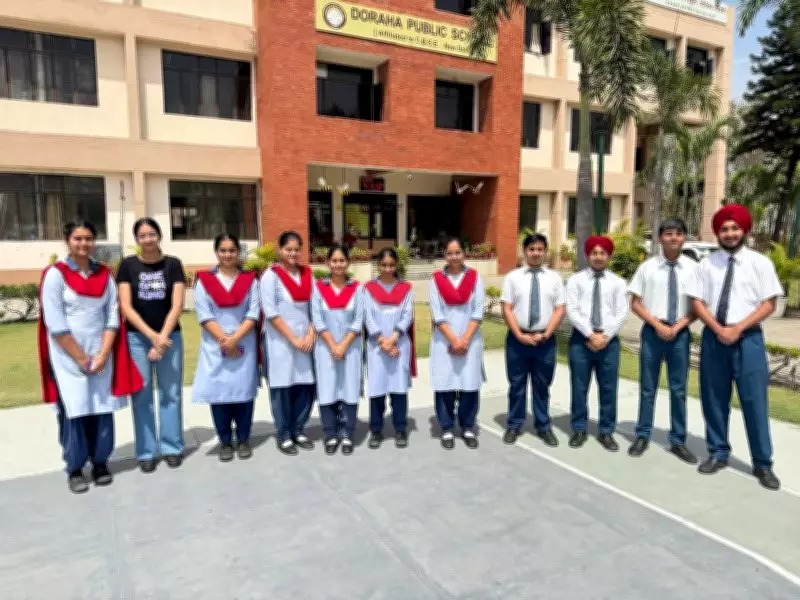
Rural Students in Ludhiana Achieve Academic Parity with Urban Counterparts in Class X Exams
In a significant development for education in Punjab, rural students from Ludhiana district have demonstrated exceptional academic performance in the recent Class X board examinations. Their scores have closely matched, and in some cases even surpassed, those of their urban peers, challenging long-standing assumptions about educational disparities between rural and urban areas.
Strong Performance Across Government Schools
The results reveal that students attending government schools in rural Ludhiana have secured high marks, with many achieving distinctions and first divisions. This achievement is particularly noteworthy given the often-cited challenges faced by rural educational institutions, such as limited resources and infrastructure. The performance underscores the effectiveness of teaching methodologies and student dedication in these settings.
Key factors contributing to this success include:

- Enhanced focus on quality education by local authorities and school administrations.
- Dedicated efforts from teachers who have adapted to remote and hybrid learning models during the pandemic.
- Increased parental involvement and community support in rural areas, fostering a conducive learning environment.
Implications for Educational Equity and Policy
This trend of rural students matching urban peers in academic outcomes has broader implications for educational equity in India. It suggests that with adequate support and resources, students from rural backgrounds can compete on an equal footing with those from urban centers. Experts highlight that this could inform future policy decisions aimed at bridging the urban-rural divide in education.
Observations from the results indicate:
- A narrowing gap in average scores between rural and urban students in Ludhiana.
- High achievers from rural schools excelling in subjects like mathematics, science, and languages.
- Positive feedback from educators and parents regarding the improved academic standards in rural institutions.
The success of these rural students serves as an inspiration and a call to action for continued investment in rural education infrastructure. It emphasizes the potential for holistic development when educational opportunities are made accessible and equitable across all regions.