Supreme Court Takes Action in NCERT Textbook Controversy
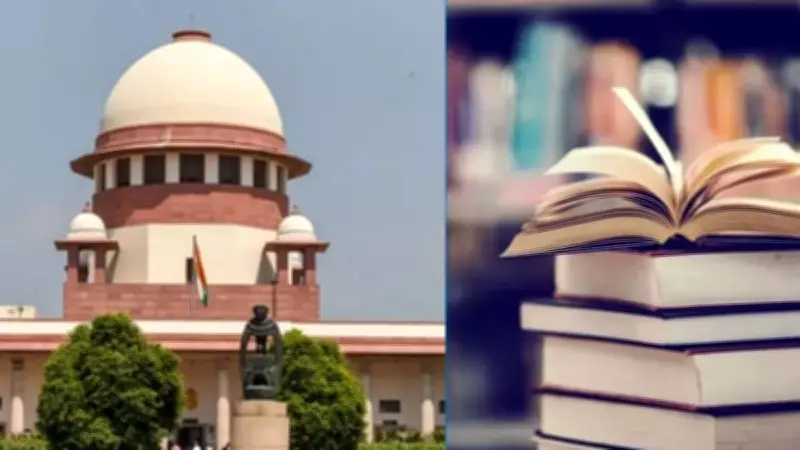
The Supreme Court of India has made a significant intervention in the ongoing NCERT textbook row by blacklisting the authors responsible for a controversial chapter on the judiciary in the Class 8 social science book. This decisive move comes after a legal challenge raised concerns about the content's appropriateness and accuracy, potentially setting a precedent for how educational materials are scrutinized in the country.
Details of the Controversial Chapter
The chapter in question, titled "Judiciary," is part of the NCERT's Class 8 social science curriculum and aims to educate students about the Indian judicial system. However, it faced criticism for allegedly containing misleading or biased information that could misrepresent the functioning of the courts. Critics argued that the content did not align with constitutional principles or factual standards, prompting a petition to the Supreme Court seeking corrective measures.
In response, the Supreme Court conducted a thorough review and found the chapter's content to be problematic. The court emphasized the importance of maintaining educational integrity and ensuring that textbooks provide balanced and accurate information, especially on sensitive topics like the judiciary. As a result, the authors have been blacklisted, meaning they will not be considered for future NCERT projects or similar educational endeavors.

Implications for Educational Standards
This ruling is expected to have far-reaching consequences for textbook development in India. By blacklisting the authors, the Supreme Court sends a strong message about accountability in educational content creation. It underscores the need for rigorous vetting processes to prevent the dissemination of questionable material in schools. Additionally, this decision may lead to revisions of the existing chapter and stricter guidelines for future NCERT publications.
Educators and policymakers are now likely to reassess how textbooks are authored and approved, with a focus on transparency and adherence to factual accuracy. The case highlights the critical role of the judiciary in safeguarding educational quality and protecting students from potentially harmful or misleading information.
Broader Context and Reactions
The NCERT textbook row is not an isolated incident; it reflects ongoing debates about curriculum content in India's education system. Similar controversies have arisen in the past over historical narratives and scientific topics, often sparking public discourse and legal actions. This latest development adds to the conversation about who should control educational content and how to balance academic freedom with societal values.
Reactions to the Supreme Court's decision have been mixed. Supporters applaud the move as a necessary step to uphold educational standards and prevent bias, while critics express concerns about potential overreach and its impact on academic expression. Regardless, the blacklisting of the authors marks a pivotal moment in the intersection of law, education, and governance in India.
Looking ahead, the NCERT may need to implement more robust review mechanisms for its textbooks, possibly involving independent experts or judicial oversight. This case serves as a reminder of the high stakes involved in shaping young minds through educational materials and the judiciary's role in ensuring they meet acceptable standards.