School Hosts Blood Donation Drive to Support Community Health
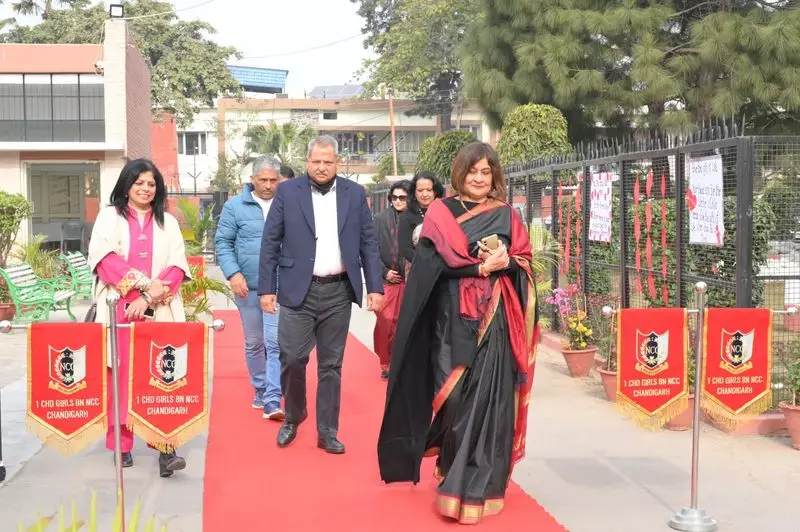
In a commendable initiative aimed at bolstering community health services, a school recently organized a blood donation camp on its premises. The event saw enthusiastic participation from students, teachers, and staff members, all coming together to contribute to a noble cause that directly impacts local healthcare systems.
Promoting Social Responsibility Through Active Participation
The blood donation camp was meticulously planned to ensure a smooth and efficient process, with medical professionals on-site to oversee the donations. This effort not only provided a much-needed supply of blood for hospitals and clinics but also served as an educational platform for students. By participating, young individuals learned about the importance of blood donation, its life-saving potential, and the critical role it plays in emergency medical care.
Organizers emphasized that such events are crucial for fostering a sense of social responsibility among the youth. Engaging students in community service activities helps instill values of empathy and civic duty, preparing them to become proactive citizens in the future. The camp also highlighted the school's commitment to holistic education, where academic learning is complemented by real-world experiences that benefit society at large.

Strengthening Healthcare Infrastructure Through Collective Efforts
Blood donation drives like this one are essential for maintaining adequate blood reserves, especially in regions where shortages can lead to critical situations. The school's initiative demonstrates how educational institutions can play a pivotal role in supporting public health initiatives. By mobilizing their communities, schools can make a tangible difference in addressing healthcare challenges.
Events such as these underscore the power of collective action in enhancing community well-being. They not only provide immediate resources but also raise awareness about ongoing health needs, encouraging more people to participate in similar endeavors. The success of this camp is a testament to the collaborative spirit of the school community and its dedication to making a positive impact beyond the classroom.
In conclusion, the blood donation camp organized by the school stands as a shining example of how educational environments can contribute to societal health. Through such initiatives, schools reinforce their role as pillars of community development, inspiring others to take part in vital health-related activities.