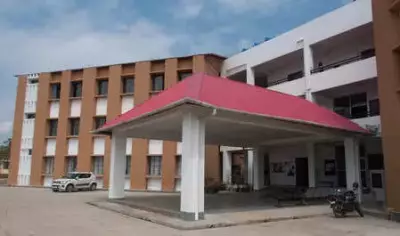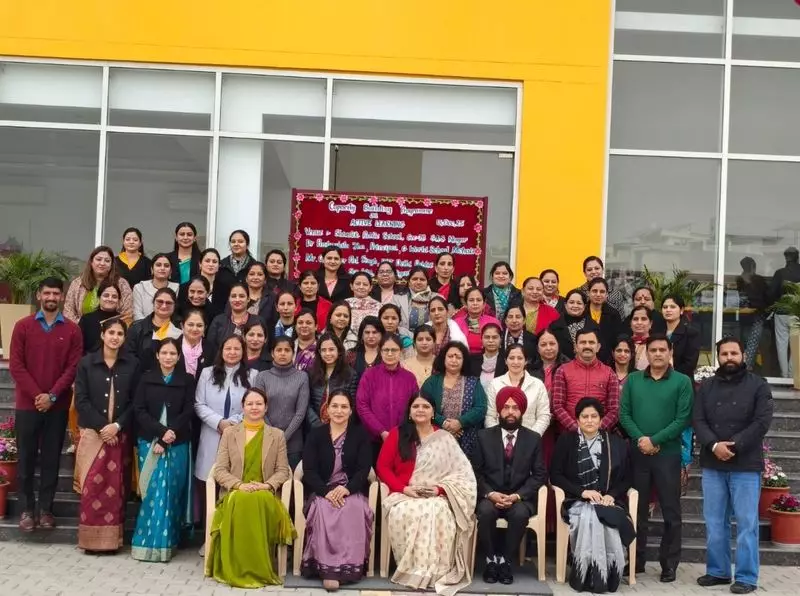
In a significant move to enhance pedagogical practices, Shivalik Public School in Mohali's Phase 6 recently became the hub for an insightful workshop organized by the Central Board of Secondary Education (CBSE). The event focused on the crucial theme of 'Active Learning Methodologies' and saw enthusiastic participation from over forty educators.
Empowering Educators with Modern Teaching Strategies
The workshop was conducted under the auspices of the CBSE Sahodaya Mohali Cluster, a collective of schools working for academic excellence. The session was expertly led by Dr. Rajesh Kumar, a distinguished CBSE Master Trainer, who guided the attending teachers through innovative approaches to student-centered learning.
Dr. Kumar emphasized moving beyond traditional, lecture-based instruction. He introduced a variety of interactive techniques designed to make students active participants in their own education. The workshop covered practical strategies that teachers could immediately implement in their classrooms to foster critical thinking, collaboration, and deeper understanding among students.

A Collaborative Learning Environment for Teachers
The event was not just a lecture but a dynamic, hands-on experience. Educators from various schools across the region engaged in collaborative activities, mirroring the active learning processes they were being trained to adopt. This participatory format allowed teachers to experience the methodologies firsthand, discussing challenges and sharing best practices with their peers.
Principal Sangeeta Arora of Shivalik Public School played a pivotal role in hosting the event. She expressed her gratitude to CBSE and the resource person for organizing such a valuable program. In her address, she highlighted the school's unwavering commitment to providing continuous professional development opportunities for its staff, ensuring they remain at the forefront of educational innovation.
Impact and Future Implications
The successful conclusion of the workshop marks a positive step towards modernizing classroom instruction in the region. By training a core group of over forty teachers, the CBSE Sahodaya initiative has created a ripple effect. These educators are now equipped to transform their classrooms into vibrant, interactive spaces, directly benefiting thousands of students.
Such initiatives underscore the evolving landscape of school education in India, where boards like CBSE are actively promoting a shift from rote memorization to skill-based and experiential learning. The workshop at Shivalik Public School stands as a testament to the collaborative efforts between educational boards and individual institutions to raise teaching standards and, ultimately, improve learning outcomes for the next generation.