Hyderabad Student Calls Out Gender Bias in Intermediate Exam Question
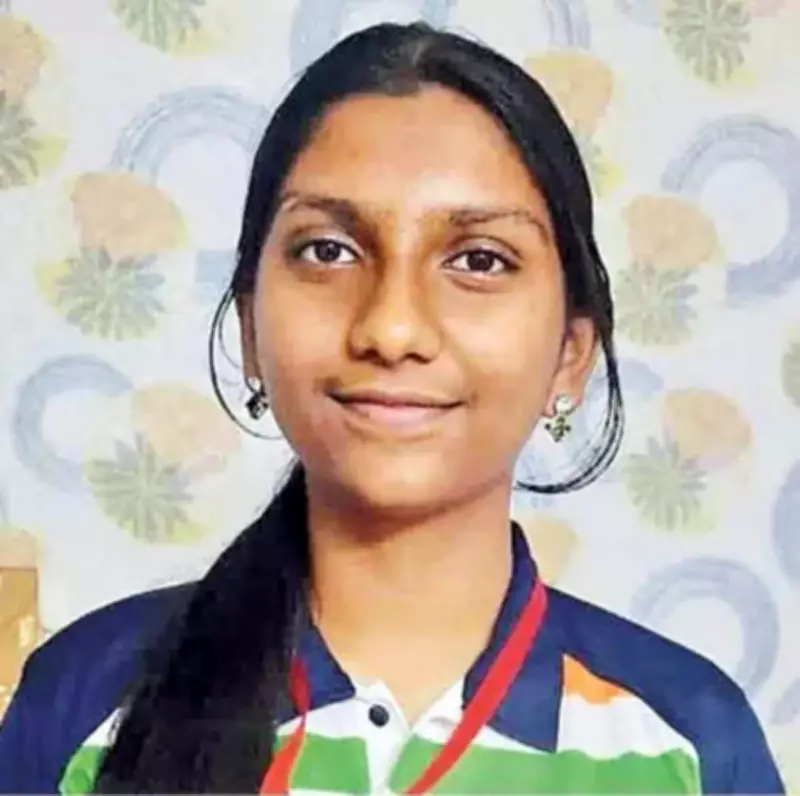
In a bold move that has sparked discussions on educational content, a student from Hyderabad has directly addressed Chief Minister A Revanth Reddy to highlight persistent gender stereotypes in academic materials. Mahima Keerthana Sirangi, an Intermediate second-year MPC student at Government Junior College in Kachiguda, expressed her disappointment through a formal letter, questioning societal norms embedded in examination papers.
Exam Paper Dialogue Reinforces Outdated Roles
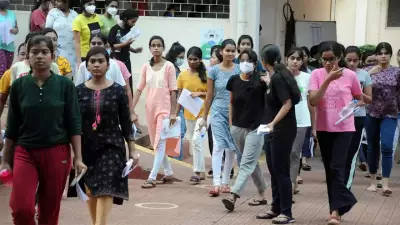
The controversy centers on a specific question from the recently conducted Intermediate Public Examination (IPE) English language paper. This section required students to engage in dialogue-writing, offering two distinct scenarios. One option depicted a conversation between a mother and daughter focused on learning cooking, while the other involved a father and son discussing the boy's future plans. Mahima pointed out that this framing perpetuates traditional gender roles, suggesting domestic skills for females and career aspirations for males.
Personal Experience Shapes CritiqueIn her letter, Mahima shared her personal background to underscore the issue. She grew up in a household where both her parents actively participated in cooking, which she views as a fundamental life skill essential for all individuals, regardless of gender. While she enjoys cooking herself, Mahima emphasized that her identity and accomplishments extend far beyond this activity. Her achievements include being a state champion in the Under-19 rifle shooting competition in 2023, competing as a national-level shooter, and securing admission to NALSAR University of Law, a prestigious institution.

Urgent Call for Educational Reform
Mahima stressed the critical role of education in molding societal values and attitudes. She argued that such exam questions risk embedding harmful stereotypes in the minds of young students, contradicting efforts toward gender empowerment. "We speak of empowerment but ignore content that validates gender bias," she wrote, urging authorities to take immediate action. Her recommendations include revising textbooks and examination patterns to promote inclusivity and equality.
Impact on Public DiscourseThis incident has drawn attention to the broader issue of gender representation in educational curricula across India. It highlights how academic content can either challenge or reinforce societal norms, with potential long-term effects on student perceptions and career choices. The letter serves as a reminder of the need for continuous evaluation and updating of educational materials to align with progressive values.
- Key Points from the Letter:
- Critique of dialogue-writing question in IPE English paper.
- Emphasis on cooking as a universal skill, not gender-specific.
- Showcase of personal achievements beyond stereotypes.
- Call for revision of textbooks and exam patterns.
As debates on gender equality in education gain momentum, Mahima's initiative underscores the power of student voices in advocating for change. Her actions may inspire further scrutiny of academic content and prompt policy adjustments to foster a more equitable learning environment.