A recent editorial has cast a critical eye on the state of school education in Karnataka, arguing that superficial improvements are insufficient to address a fundamental crisis. While initiatives to reward and motivate teachers are welcome, the system is being severely undermined by a more pressing problem: a vast number of vacant teaching positions.
The Core Crisis: Empty Classrooms and Missing Mentors
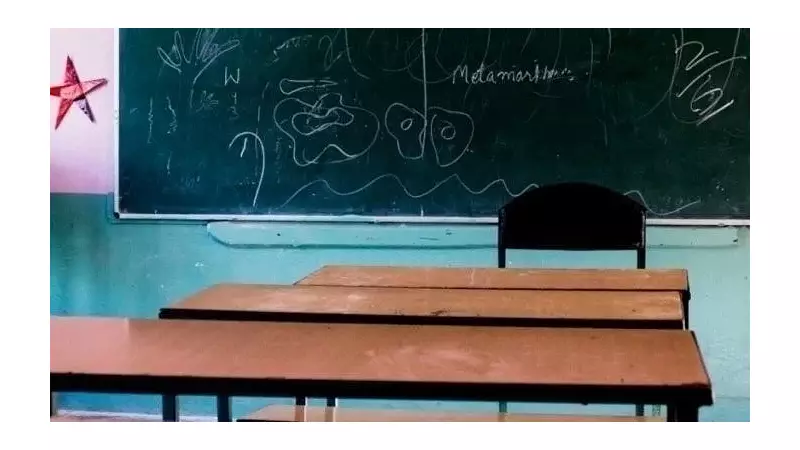
The piece highlights that no amount of cosmetic fixes or policy tweaks can compensate for the absence of teachers in classrooms. Across Karnataka, many schools are struggling to function effectively because they simply do not have enough staff to teach students. This shortage creates oversized classes, overburdens existing teachers, and ultimately compromises the quality of education delivered to children.
When schools operate with a skeleton crew, even the most well-intentioned programs for teacher development or digital learning fail to have their intended impact. The editorial stresses that this vacancy crisis represents a direct threat to the foundational learning outcomes of an entire generation.

Rewards Are Good, But They Can't Fill Gaps
The analysis acknowledges that efforts to reward and recognise teachers are a positive step. Motivating educators through incentives and appreciation is crucial for morale and can improve performance. However, these measures are rendered ineffective if the basic infrastructure of the education system—its human resources—is depleted.
Praising a handful of teachers while thousands of posts remain unfilled is like decorating a house with a crumbling foundation. The structural weakness remains, and the editorial argues that state authorities must prioritise filling these vacancies as the most urgent educational reform.
The Path Forward: Addressing the Root Cause
For school education in Karnataka to genuinely improve, the editorial calls for a shift in focus from peripheral adjustments to core structural repair. The government needs to expedite recruitment processes, address logistical and bureaucratic hurdles that delay appointments, and ensure that every school has the mandated number of teachers.
Until the vacancy issue is resolved with concrete and timely action, other initiatives will remain secondary. The future of the state's students depends on having a qualified teacher in every classroom, a goal that must be the central pillar of any meaningful education policy overhaul.
The editorial, dated 01 December 2025, serves as a stark reminder that in education, the most essential resource is a dedicated teacher, and no reward system can substitute for their physical presence and guidance.