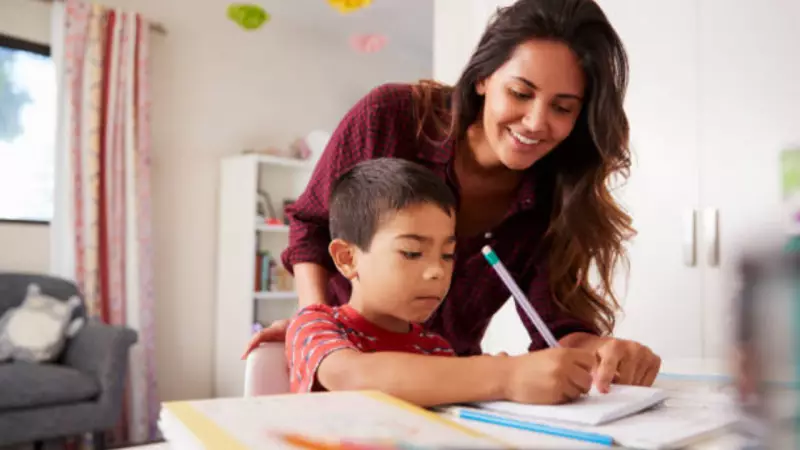
Observe any group of preschoolers, and you witness pure, unadulterated magic. This age bracket, from three to six years, is a whirlwind of curiosity, fearless exploration, brutal honesty, and wild imagination. They transform cardboard boxes into interstellar rockets, fire off dozens of questions before their morning cereal, and genuinely believe they can be astronauts, chefs, and dinosaur doctors—all before lunch. This vibrant spirit is something worth protecting.
The Real Foundation: More Than Letters and Numbers
When discussing early education, the focus often narrows to academics: recognizing letters, writing numbers, and phonics drills. However, the years from 3 to 6 are about a far broader and more critical development. This stage forms the bedrock for everything that follows. The skills children cultivate now—emotional, social, creative, and physical—hold significantly more long-term value than flawlessly reciting the alphabet at age three.
Let's explore what children genuinely require during these formative years and how parents and educational institutions can collaboratively nurture the core of childhood.

Building Emotional Intelligence and Social Confidence
Before mastering written words, children must learn to identify and articulate their feelings. Tantrums, tears, giggles, and meltdowns are all part of mastering emotional balance. Kids need guiding adults who move beyond commands like "stop crying" to help them understand the 'why' behind their emotions.
Effective strategies include storytelling focused on feelings, maintaining calm conversations, and teaching useful phrases like "I need help," "I'm upset," or "I need a break." Progressive schools are now embedding this through dedicated circle time, sharing sessions, affirmations, and reflection activities, recognizing that emotional IQ is non-negotiable for future well-being.
Similarly, social skills like sharing, taking turns, making friends, and resolving conflicts are as vital as learning to count. A child who communicates clearly and respectfully grows into a confident teenager and a capable adult leader. This learning happens through:
- Structured group play and collaborative class projects.
- Role-play activities that build empathy.
- An environment that celebrates differences and teaches cooperation.
Learning Through Play, Curiosity, and Movement
It's essential to reframe our understanding: play is not a break from learning; play is learning itself. Children learn most effectively when they are building, pretending, drawing, questioning, and experimenting—even if it creates a mess.
Activities that foster this exploratory learning, such as blocks, puzzles, clay, art, dress-up corners, and outdoor play with sand and water, matter more than rote memorization. When educators prioritize creativity over perfection, children learn to think independently, not just memorize facts.
Physical development is equally crucial. Running, climbing, and balancing are essential for motor skills, not just playground fun. Fine motor abilities develop through scribbling, cutting, beading, and managing daily tasks like buttoning shirts. Schools emphasizing sports, free play, and movement help build a child's stamina and focus, benefits that extend far beyond improving handwriting speed.
Furthermore, children are natural-born scientists. They don't need adults who provide quick answers but those who fuel their curiosity. Questions like "Why do rainbows happen?" or "How does a seed become a tree?" are gateways to deep learning. The best educational environments encourage these questions, offering hands-on exposure through gardening, cooking, field trips, and nature walks—experiences that leave a lasting impression.
The Evolving Role of the Preschool
A strong early-years school today is not a mini-college focused on worksheet drills and heavy homework. It is a space where children:

- Build a genuine love for learning.
- Develop independence and resilience.
- Discover their unique identities.
- Learn to socialize and cooperate effectively.
- Feel safe, seen, and celebrated for who they are.
Exceptional educators, such as those at institutions like Orchids, understand their role extends beyond teaching lessons to shaping personalities. They create an atmosphere where children feel confident enough to try, fail, try again, and ultimately shine.
So, what do children aged 3 to 6 need most? They require the freedom to play, space to explore, adults who listen attentively, friends to share laughter with, and a school that believes childhood is a journey, not a race. Before children learn to read and write, they need to feel loved, capable, curious, and brave. Once this foundational strength is secured, mastering the ABCs and 123s becomes a natural, easier progression.
The ultimate goal is clear: to protect the essence of childhood, to let kids be kids, and to choose schools that recognize a simple, powerful truth. The objective isn't merely to prepare children for tests; it's to prepare them for life.