US Visa Renewal Turns Stressful Over Simple Dropdown Error
For those planning to visit the United States, the question "Is your US visa approved?" has become increasingly common. With the country implementing stricter visa regulations, even routine processes can no longer be taken for granted. What was once a straightforward renewal procedure can now transform into an unexpected bureaucratic challenge.
The Unexpected Visa Refusal
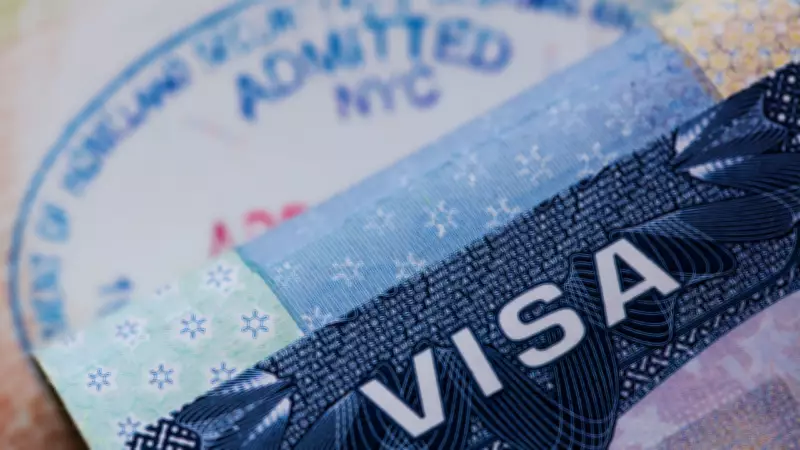
As shared in a detailed Reddit post by user darkened_matter, a traveler with a solid history faced an unexpected hurdle. Their B1/B2 visa was set to expire in January 2026, and they decided to renew early through the interview waiver program. This process typically involves submitting documents by mail, avoiding embassy visits, and waiting for the passport to return with the renewed visa.
"With a solid travel history and no prior visa denials, there was little reason to expect trouble," the applicant noted. However, when the application status returned as 'REFUSED,' it came as a shock.

In US visa terminology, 'refused' doesn't necessarily mean rejection. Often, it indicates that a consular officer requires additional documents or an in-person interview before making a decision. Nevertheless, this status triggered significant anxiety, especially after reading about other renewal applicants who faced denials despite clean records and years of compliant travel.
The Embassy Interview Challenge
Instructions arrived nearly two weeks later along with the returned passport. The applicant was required to appear at the US Embassy for an interview without a fixed appointment date—just a range of days for walk-in appearances. This meant rearranging schedules and making a long trip across the city for what was supposed to be a mail-based renewal.
"I mentally prepared myself that maybe I am going to be denied this time, given the kind of environment now with the US government being very strict with visa applications," the traveler shared. "It didn't help that a lot of applicants before me during the queue were getting denied after so many questions being asked. I was already expecting the worst."
The Critical Dropdown Mistake
The interview began normally with questions about travel purpose and plans. Then came an unexpected query: Had the applicant ever visited North Korea?
After a moment of confusion and laughter, clarification followed. The applicant had traveled to South Korea earlier that year, which was properly declared in the application. The consul checked the passport, confirmed the South Korea entry stamp, and explained that this mix-up happens more frequently than people realize.
The issue wasn't the travel itself but how it appeared in the system. In visa application dropdown menus, South Korea and North Korea are listed separately as "Republic of Korea" and "Democratic People's Republic of Korea." Applicants don't type country names manually—they select from these menus. In that critical moment, many people accidentally click the wrong Korea.
Once the mistake was clarified, the interview concluded quickly. The visa was approved with the only formality being cancellation of the still-active visa in the passport. When asked whether this was the sole reason for the interview, the consul confirmed it was.
"I left the embassy relieved, amused, and continued to laugh as I left the area," the traveler recounted.
Wider Resonance and Similar Experiences
When shared online, this experience resonated with many. One commenter asked how long it took to receive instructions after seeing the "refused" status—the answer was nearly two weeks, with the letter arriving alongside the returned passport.
Others shared their own stories:

- One traveler recalled being summoned for an interview in 2020 after actually visiting North Korea the year before. They answered honestly, explained it was for tourism, and ultimately received their US visa. The takeaway: visiting North Korea doesn't automatically make someone ineligible but guarantees closer scrutiny.
- Another commenter admitted making the same dropdown mistake during their renewal. Their interview was issued under a 221(g) request, which they later realized was simply to confirm details and assess intent. Once the Korea confusion was resolved, the visa was approved without issue.
Some readers questioned why anyone would select 'Korea' instead of 'South Korea' until others pointed out that the form doesn't simplify this choice. With two nearly identical official names listed side by side, mistakes become almost inevitable.
Lessons for Future Applicants
This cautionary tale reveals that while the visa system is rigid, it still allows room for clarification. Sometimes, an in-person interview isn't a rejection but a human checkpoint to verify that a traveler's holiday in Seoul wasn't actually a covert trip to Pyongyang.
The episode leaves behind crucial advice for all visa applicants:
- Double-check every selection in dropdown menus, especially for countries with similar names
- Understand that 'refused' status doesn't necessarily mean final rejection
- Be prepared for potential interviews even with clean travel records
- Maintain accurate documentation of all international travel
As US visa regulations continue to tighten, such attention to detail becomes increasingly important for smooth travel planning and avoiding unnecessary bureaucratic hurdles.