Karnataka's prestigious University of Horticultural Sciences (UHS) in Bagalkot, the state's only institution dedicated to this vital agricultural field, is grappling with a severe financial crisis that threatens its academic and research operations. Despite its national reputation for excellence, the university is struggling to meet basic expenses, including staff salaries, due to insufficient government grants.
A Deepening Financial Shortfall
The core of the crisis lies in a significant gap between the funds the university needs and what it receives from the state government. UHS Bagalkot requires an annual grant of approximately Rs 180 crore to smoothly manage salaries and operational costs. However, the government has so far released only Rs 138 crore for the current year, with an additional Rs 3 crore still pending. This creates an immediate annual shortfall of about Rs 42 crore, which balloons to nearly Rs 50 crore when considering all financial needs.
The salary expenditure itself paints a stark picture. Paying its permanent staff demands around Rs 180 crore per year. On top of this, the university spends an additional Rs 8 to 10 crore annually on salaries for outsourced staff. The allocated grant falls woefully short of covering even these fundamental commitments, pushing the institution into a precarious position.

Impact on Research and Development
The financial strain has dire consequences beyond salaries. With the bulk of its funds diverted to meet payroll demands, research activities—the lifeblood of an agricultural university—are being severely compromised. Although public representatives frequently promise support for research, adequate funds have not materialized.
University Vice-Chancellor Dr. Vishnuvardhan expressed his helplessness regarding the situation. "The University of Horticultural Sciences is facing an annual fund shortage of about Rs 50 crore. If the govt provides enhanced grants, it will significantly help in strengthening research activities," he stated. This funding crunch comes at a critical time when, with a growing population and shrinking agricultural land holdings, innovative research to boost productivity from limited land is urgently needed.
Broader Systemic Issues and Criticism
The government has advised the university to utilize its own internal resources to bridge the salary gap. UHS generates around Rs 25 crore per year as internal revenue, primarily from student fees and other services. However, diverting this revenue to salaries would cripple infrastructure development and ongoing research projects, creating a vicious cycle of underfunding.
This situation has ignited severe criticism from academics towards the state government's higher education policy. Critics argue that establishing new universities while existing ones like UHS Bagalkot starve for funds is a misallocation of public money. A former vice-chancellor slammed the approach, saying, "This is nothing but squandering public money. Instead, the govt should strengthen the existing universities financially." The concern is that funds are being unnecessarily spent on new infrastructure and administrative salaries for new institutions while proven centers of excellence suffer.
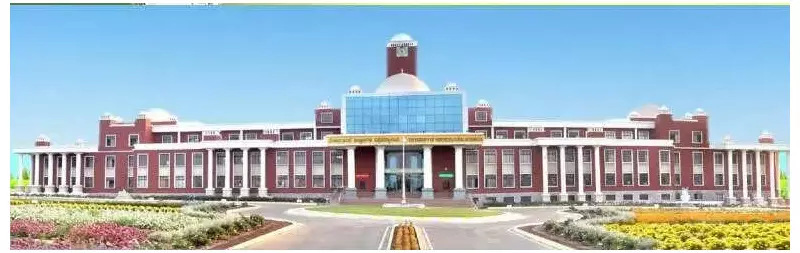
The University of Horticultural Sciences in Bagalkot is a major educational hub, with jurisdiction over 23 districts. It comprises 10 colleges, 14 research centers, and 12 extension centers, catering to more than 33,000 students. Experts emphasize that given horticulture's emergence as a major growth sector, focused investment in such institutions is not just an educational imperative but an economic one. They stress that sustained encouragement and financial support from the government are essential to achieve meaningful, long-term results for the state's agricultural future.