Chandigarh's Sector 32 College-Cum-Hospital to Get 50 More MD Seats
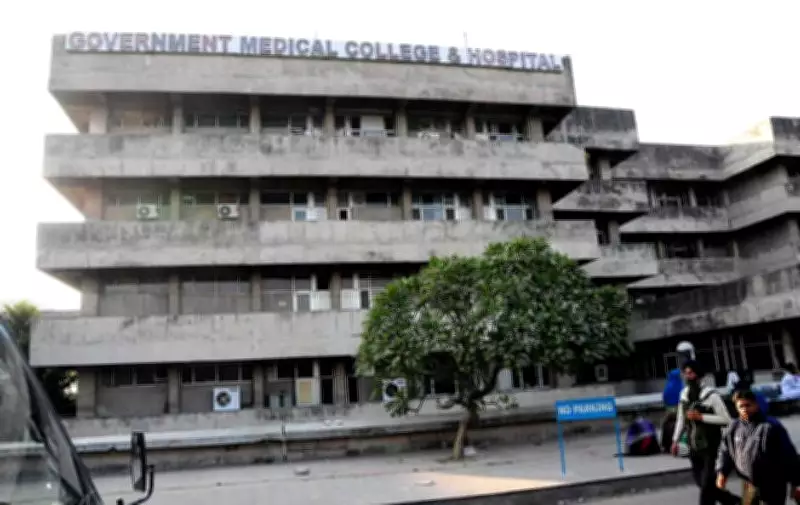
The UT Administration in Chandigarh has announced plans to significantly enhance medical education by adding 50 MD (Doctor of Medicine) seats at the Government Medical College and Hospital (GMCH), Sector 32. According to sources, a formal proposal will be submitted to the Union Government for approval, with the final decision resting with the National Medical Commission.
Proposal and Approval Process
Preliminary discussions have already commenced with Panjab University, the affiliating body for the medical college. This initiative is part of a long-term strategy to augment the institution's academic capacity and improve access for students from Chandigarh, Punjab, and Haryana. The move follows recent meetings chaired by senior officials of the Ministry of Home Affairs, where the UT Administration expressed concerns over delays in operationalising previously sanctioned seats.
Background and Previous Expansions
For the 2025 academic session, GMCH-32 offered 155 postgraduate seats, comprising 151 regular seats and four for Economically Weaker Section (EWS) candidates. Last year, the Ministry of Health and Family Welfare approved an addition of 48 postgraduate seats to the college. This expansion plan included introducing new disciplines and strengthening existing departments, backed by a financial outlay of nearly Rs 45.56 crore. The Centre also released over Rs 30 crore for infrastructure upgrades, such as civil works and procurement of advanced medical equipment. However, the implementation of these previously sanctioned seats remains pending.

Benefits and Broader Implications
The proposed increase in MD seats is expected to particularly benefit MBBS graduates from the Tricity and neighboring states. Admissions will be governed under various quotas, including the UT pool. Additionally, the Administration is working on a plan to enhance undergraduate intake by increasing MBBS seats from 150 to 200. This adjustment is crucial for implementing the 27% OBC reservation, which requires a proportional rise in total seats.
Overall, this expansion aims to address regional healthcare needs and bolster medical training opportunities in northern India.