Shivaji University Greenlights Rs587 Crore Annual Budget for 2026-27 Academic Year
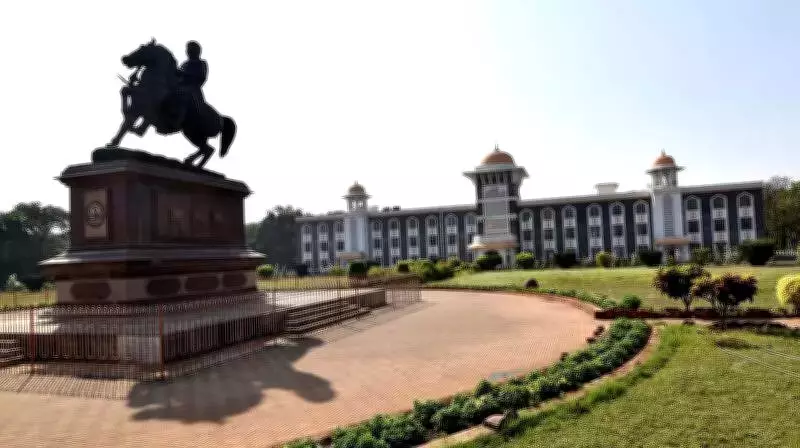
The management council of Shivaji University in Kolhapur has officially sanctioned a substantial annual budget of Rs587 crore for the upcoming 2026-27 academic year. This financial blueprint was ratified during a recent senate meeting held at the prestigious Rajarshi Shahu Senate Hall. The approved budget, while ambitious, carries a deficit of Rs8.91 crore, which university authorities have confidently stated will be managed through the institution's internal financial reserves and existing funds.
Leadership and Budget Presentation Details
The crucial senate session was conducted under the authoritative chairmanship of Vice-Chancellor Suresh Gosavi, with Pro-Vice-Chancellor Jyoti Jadhav and Registrar V.N. Shinde in attendance. Senate member Raghunath Dhamakle formally presented the comprehensive budget document to the assembly, outlining the university's financial priorities and strategic allocations for the forthcoming academic cycle.
Substantial Investments in Academic Excellence and Research Infrastructure
The budget demonstrates a powerful commitment to elevating academic standards through targeted financial injections. A remarkable Rs27 crore has been exclusively earmarked to promote and enhance research activities across various disciplines. To support this research initiative, the university has allocated Rs2.65 crore specifically for enriching library resources, including the acquisition of new books, academic journals, and digital research materials.

Furthermore, significant resources have been designated for technological and infrastructural upgrades:
- Rs4.14 crore for comprehensive computer system development and modernization
- Rs15.73 crore for furniture procurement, electrical infrastructure improvements, and IT hardware enhancements
Comprehensive Student Welfare and Development Provisions
Student accommodation and facilities received considerable attention in the budgetary allocations. The university has set aside Rs2.50 crore for the construction of a new hostel building, while Rs2.16 crore has been allocated for essential repairs and maintenance of existing hostels and mess facilities. Additionally, a specialized allocation of Rs12 lakh has been made specifically for the research scholars' hostel to support postgraduate and doctoral students.
Athletic and sports development also features prominently in the financial plan with multiple dedicated allocations:
- Rs34 lakh for ground maintenance and sports facility upkeep
- Rs30 lakh for purchasing new sports equipment
- Rs15 lakh to support athletes participating in international competitions
The meeting also included a positive report from the newly established student grievance redressal cell, which confirmed that concerns raised by 11 students have been successfully addressed and resolved through proper channels.
Contentious Environmental Issues Spark Heated Senate Exchanges
The senate proceedings grew particularly tense when discussions turned to environmental management and infrastructure. Members engaged in heated exchanges with university administration officials regarding the handling of sewage and effluent treatment plant (ETP) projects. Frustration mounted as administration representatives initially failed to provide satisfactory answers to pressing environmental questions.
Eventually, the administration acknowledged receiving an official notice from the Maharashtra Pollution Control Board (MPCB) regarding environmental compliance issues. The question-and-answer session proved especially contentious, with only six questions addressed within a full hour of discussion time.
Serious Allegations Regarding Environmental Violations
Senate member Advocate Abhijit Kapse strongly criticized the administration for what he termed an "unacceptable" number of vacant positions on the board of studies, highlighting governance concerns within the university structure.

However, the most serious allegations emerged from Advocate Abhishek Mithari, who raised alarming concerns about the disposal of chemical waste and sewage originating from administrative buildings, laboratories, and canteens. Mithari revealed that the university's ETP system is currently non-operational and non-functional.
"The university generates approximately 4 lakh litres of sewage daily, which is being discharged directly into the ground without proper scientific treatment," Mithari stated emphatically. "In certain areas, this untreated waste flows directly into Rajaram Lake, creating significant environmental hazards."
The advocate further criticized the administration for allegedly ignoring multiple notices from both the Pollution Control Board and the Ujlaiwadi Gram Panchayat. He demanded an independent, high-level inquiry into the matter to ensure proper accountability and environmental compliance moving forward.